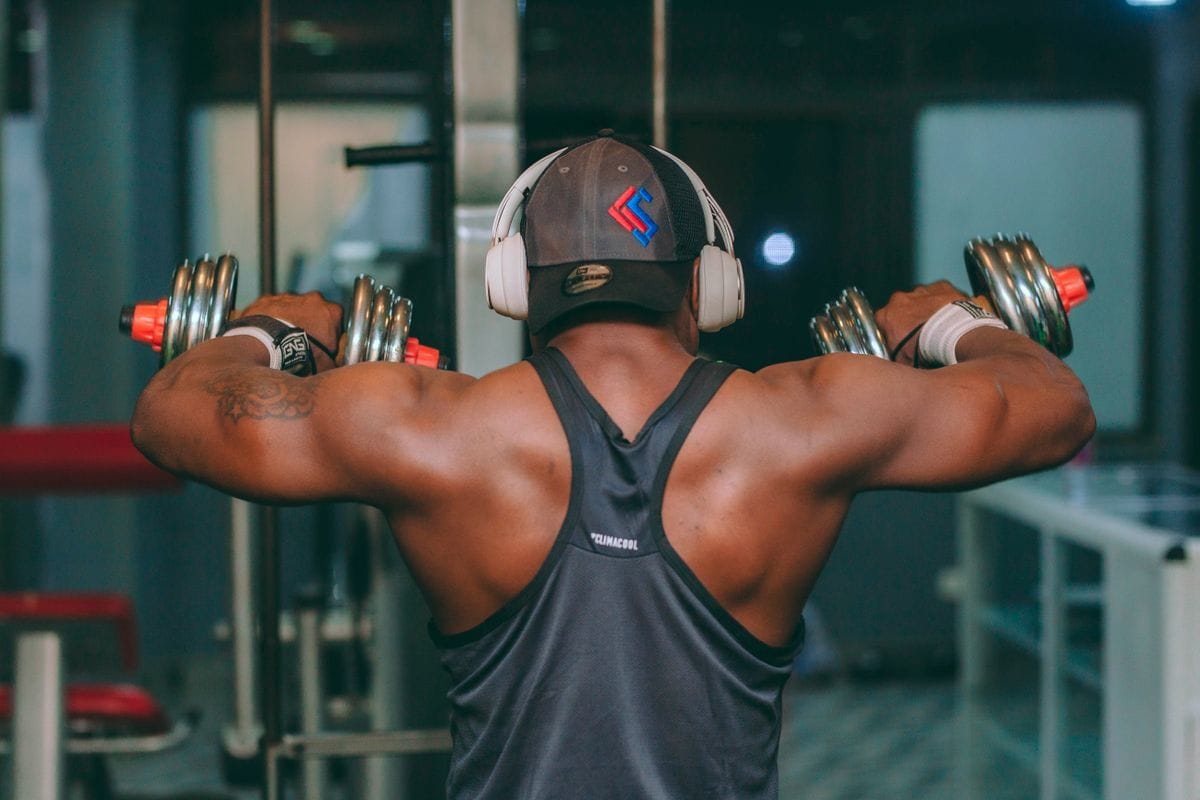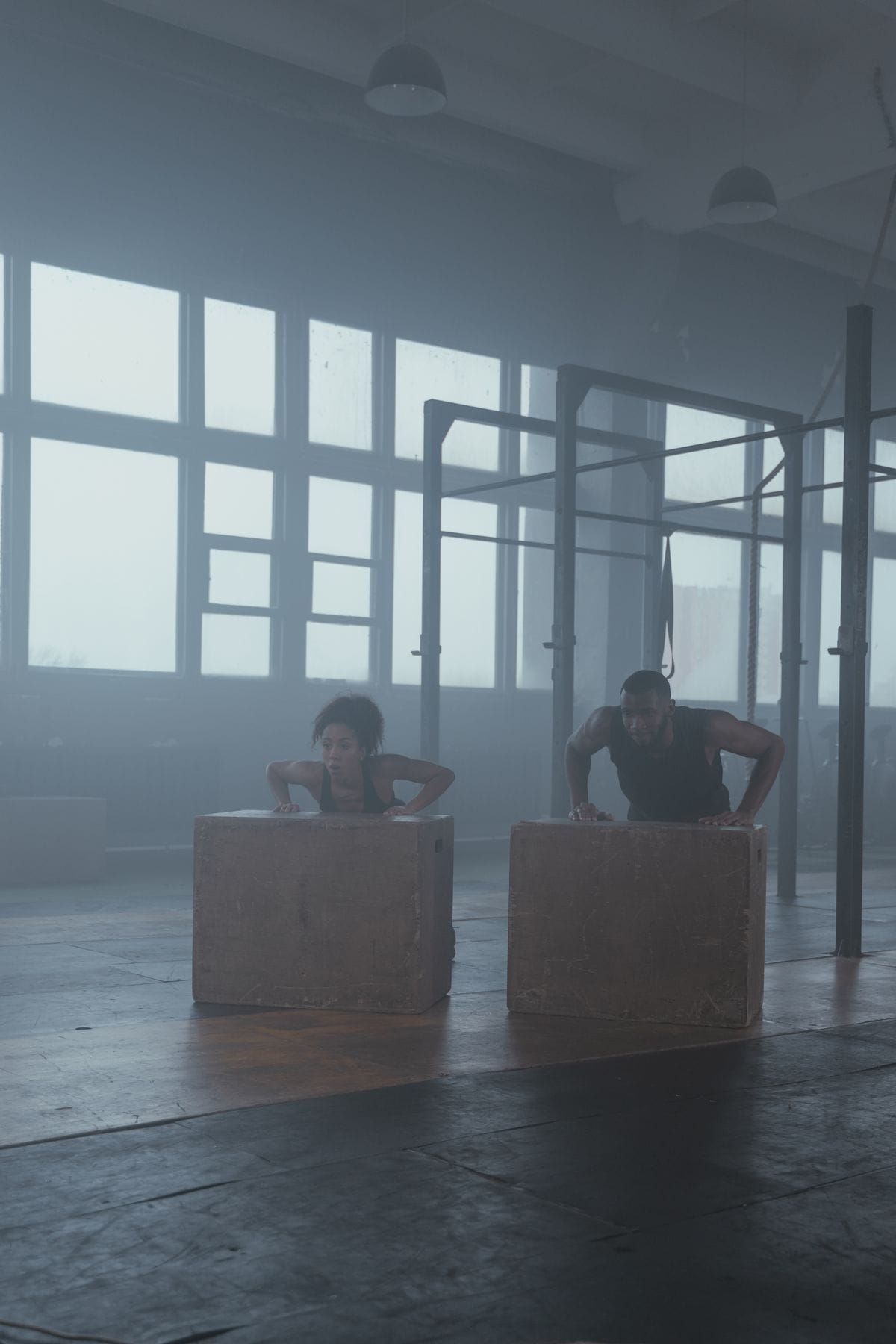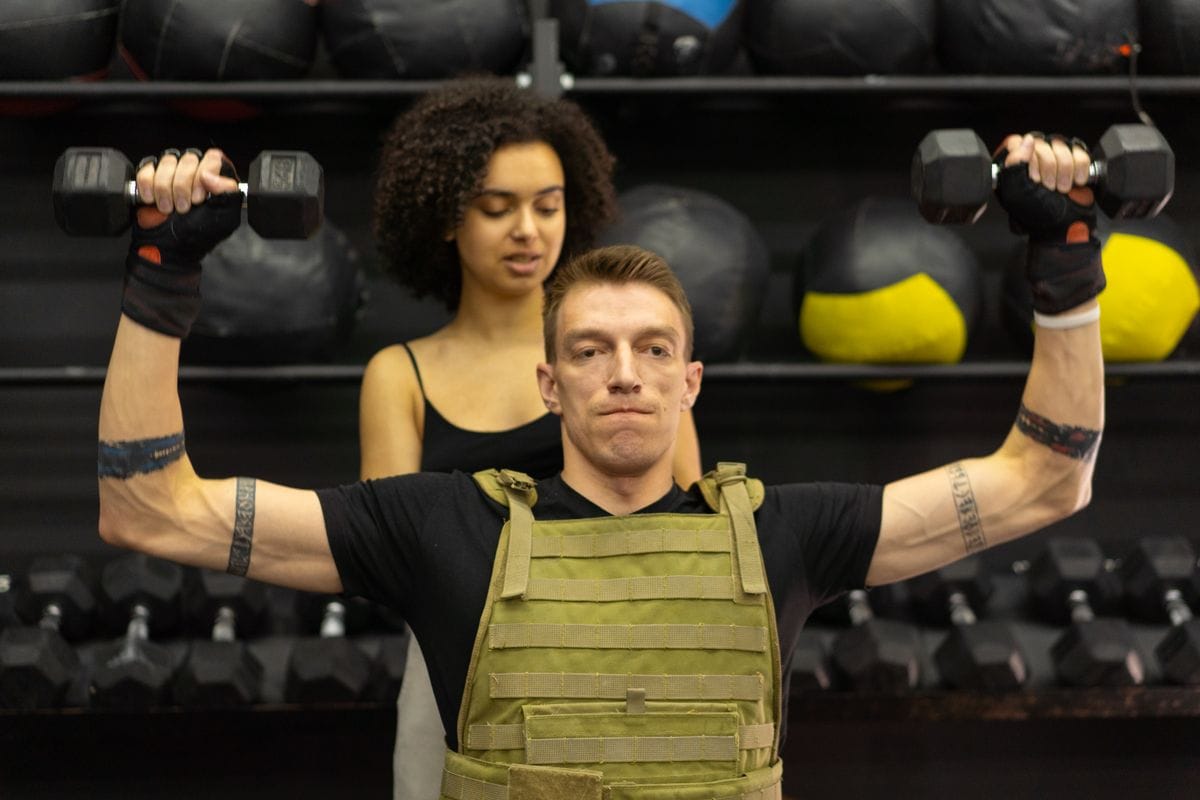

Functional training is the most misused term in fitness — half the industry uses it to sell balance balls, the other half uses it to describe anything with a kettlebell. Strip the marketing: functional training means training movement patterns your body actually uses — squatting, hinging, pushing, pulling, carrying, rotating — with load and intent. This guide gives you the functional training workout blueprint: the seven movements that matter, how to structure them, and how this style of training carries over to everything from carrying groceries to throwing kicks.
Everything here follows the 200+ FCS programming standards we coach at Gooart Space.
目录
What Functional Training Actually Is
Functional training earned its name from rehabilitation: exercises chosen because they rebuild movements life demands, not because they isolate a muscle for the mirror. A squat is functional because you squat onto every chair you own; a leg extension is not, because nothing in your day asks your quads to work alone. The test is simple: does this movement show up in your life, your sport, or your fight? If yes, train it with load. If no, it is decoration.
Functional does not mean unstable surfaces and circus tricks. Standing on a wobble board makes you better at wobble boards. Strength built in real patterns — deep squats, loaded carries, hard hinges — transfers everywhere.

Functional Strength Exercises: The Core Movements
These seven functional strength exercises cover every fundamental pattern. Each links to its full execution page in the 200+ FCS exercise library:
- Dumbbell Squats — the squat pattern, loaded. Standing up from anything, forever.
- Walking Lunge — single-leg strength with a stride, the pattern behind every step and shot.
- Dumbbell Floor Press — horizontal pushing with a floor-defined range, kind to shoulders.
- 死虫 — bracing the trunk while limbs move; the core skill under every lift and strike.
- 死挂 — grip, shoulder decompression, and the overhead position most adults have lost.
- 90/90 髋部交替动作 — hip rotation that chairs steal; restored rotation is restored movement.
- 墙坐 — isometric leg endurance and postural stamina, no equipment at all.
Seven movements, seven patterns, zero fluff. Master these before you shop for anything fancier.
Functional Strength Training Exercises: A Starter Circuit
Put the seven functional strength training exercises together like this: three rounds, 40 seconds of work per station, 20 seconds to move and breathe between stations, 90 seconds rest between rounds. Order: squats → floor press → walking lunge → dead bug → dead hang (20–30 sec hold) → hip switches → wall sit. That is 25 minutes including rest, twice a week to start. When three rounds feel comfortable for two consecutive sessions, add load to the weighted movements or a fourth round — never both at once.

How to Structure a Functional Training Workout
Every functional training workout follows the same skeleton. Warm-up (5–8 min): easy cardio plus two mobility moves — the 90/90 switches and a light dead hang cover most of it. Main block (15–25 min): the strength circuit above, or any 3–4 pattern-based movements done with full attention. Finisher (5 min, optional): carries, crawls, or a hard conditioning burst if the day calls for it. Cool-down (3–5 min): slow breathing and whatever stretch the session shortened — usually hip flexors and lats. Frequency: two to three sessions per week with at least one rest day between. Progress by load first, then volume, then complexity — in that order, always.
Why Combat Athletes Live on This Stuff
The 200+ FCS system is built on functional patterns because fighting is nothing but patterns under pressure: the squat is your shot, the hinge is your kick, the brace is your guard, the rotation is your cross. A fighter who only isolates muscles gets strong in positions a fight never visits. Functional training builds strength that survives contact — force that transfers from the floor, through the trunk, into the target. Train patterns and the techniques get more powerful without changing a single technique.

常见错误
- Confusing novelty with function. A movement is not functional because it looks athletic on video. It is functional because it loads a pattern you use.
- Skipping the basics for variety. The seven movements above cover everything a beginner needs for months. Boredom is not a programming problem.
- Adding instability to fake difficulty. Wobble boards and BOSU balls reduce the load you can lift, which reduces the strength you build. Stable ground, heavy-ish load, clean reps.
- Progressing complexity before load. Master the pattern, then load it, then — much later — vary it. Most people run this backwards.
常见问题解答
Is functional training good for beginners?
It is the best starting point there is. The patterns are the same ones you use daily, the entry loads are just your bodyweight, and every rep teaches coordination that transfers to everything else you will ever train.
What is the difference between functional training and traditional strength training?
Traditional strength training often isolates muscles on fixed machines; functional training loads whole movement patterns standing on your own feet. Both build strength — functional training builds it in positions your life and sport actually use.
How many days a week should I do functional training?
Two to three sessions per week with rest days between is the sweet spot for most people. The patterns overlap heavily, so daily sessions need careful variation to avoid overuse.
Do I need equipment for functional training?
No to start — squats, lunges, dead bugs, wall sits, and hip switches are all bodyweight. A pair of dumbbells and somewhere to hang from unlock the loaded versions later.
Does functional training build muscle?
Yes — muscle responds to progressive tension, whatever the marketing category. Load the patterns heavier over time and you will build muscle alongside the movement skill. The bonus is that the muscle shows up in real life, not just the mirror.
Move First, Everything Follows
Functional training is not a style — it is the honest version of exercise: real patterns, real load, real progress. Run the seven-movement circuit twice this week and you will feel the difference by the weekend. Ready to take the patterns into a full system? Start here: 我的培训.
您已经阅读了相关标准——现在就来培训他们吧。预约我们在马六甲工作室的一对一课程,在第一小时内即可针对您所使用的全部7个FCS系统完成基准评估。.
预约您的首次课程