
Creatine or protein? It is the most common supplement question in any gym — and it is built on a misunderstanding. The two are not rivals. They do different jobs, on different timelines, and the research behind both is stronger than for almost anything else in the supplement aisle.
This guide gives you the honest version: what each one actually does, which matters more for muscle growth, and how to decide if you can only buy one.
目录

Creatine vs Protein: Two Different Jobs
Creatine vs protein is not a fair fight because they are not the same category of tool.
蛋白质 is a building material. Training damages muscle fibers; protein provides the amino acids that rebuild them thicker. If your daily food does not cover your protein target, nothing else in your supplement stack matters.
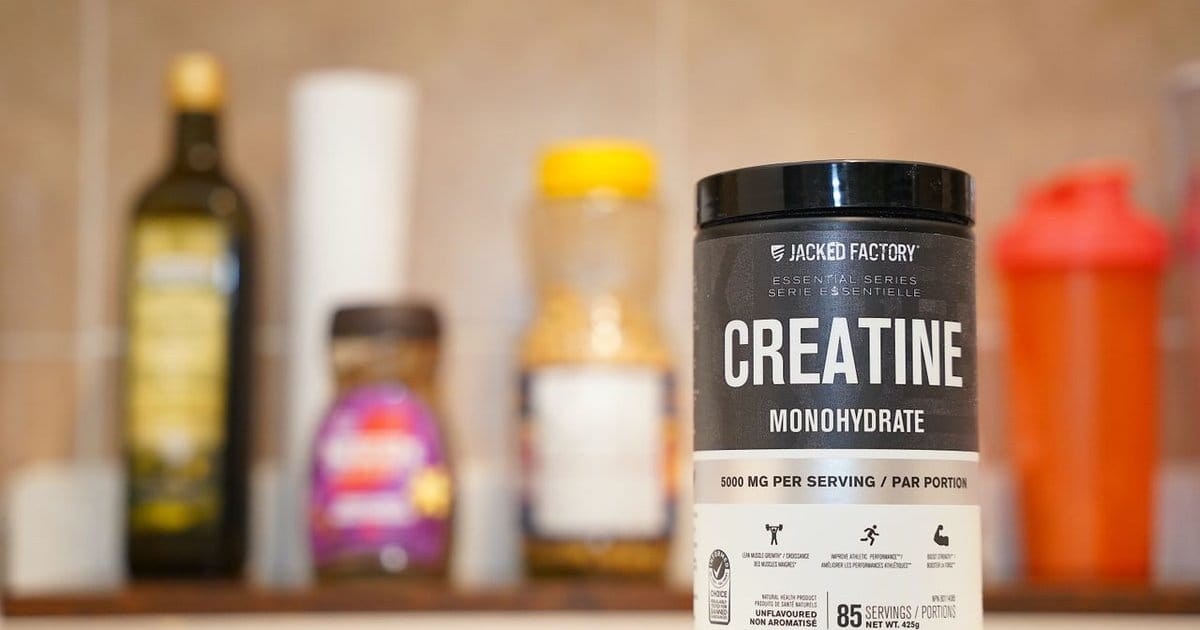
肌酸 is an energy system upgrade. It tops up the phosphocreatine stores that fuel short, maximal efforts — the last two reps of a heavy set, a sprint, an explosive combination. More fuel in that tank means more high-quality work per session, and more work is what drives adaptation. Creatine is the most studied sports supplement in history, with an excellent safety record in healthy adults.
Material versus fuel. You do not compare bricks to electricity.
Creatine or Protein for Muscle Growth
For creatine or protein for muscle growth, protein wins the first seat. Muscle growth needs raw material every single day — roughly 1.6–2.2 grams per kilogram of bodyweight for people training hard — and creatine cannot substitute for a missing amino acid supply.
Creatine wins on a different axis: it raises the ceiling of each session. That extra rep at the same weight, multiplied across months, is real additional stimulus — and studies consistently show creatine users gain more lean mass than non-users on the same program.
The honest ranking: food protein first, creatine second, everything else a distant third.
Creatine vs Protein Powder: Cost, Dose and Timing
On the practical side, creatine vs protein powder looks like this:
| Creatine Monohydrate | Protein Powder | |
|---|---|---|
| Job | Energy for maximal efforts | Raw material for repair |
| Daily dose | 3–5 g, every day | As needed to hit daily protein target |
| Timing | Any time — consistency beats timing | Any time; post-workout is convenient, not magic |
| Cost per day | Very low — cents per dose | Higher — it is food, priced per serving |
| Form to buy | Plain monohydrate, unflavored | Whey or a blend you tolerate; check the label |
Two notes from the coaching floor: creatine works by saturation, so missing days costs more than imperfect timing; and protein powder is food, not a drug — it is only there because cooking chicken at 10 pm gets old. For the food-first baseline, see our protein powder buying guide.

Creatine or Protein Which Is Better: The Decision
Creatine or protein which is better depends entirely on what is missing:
- Your daily protein is already covered by food → creatine adds more, per ringgit, than another tub of powder.
- You are under your protein target most days → protein first. Fix the material shortage before upgrading the fuel system.
- You train hard 3+ times a week and diet is solid → you are the person creatine was made for.
One caveat: creatine draws water into muscle cells, so the scale goes up 1–2 kg in the first weeks. That is the mechanism working, not fat.
Can You Take Both?
Yes — and most serious trainees do. Creatine and protein work on independent pathways and can be mixed in the same shake without any interaction. A simple post-workout template: a scoop of protein to cover the day’s target, 3–5 g of creatine monohydrate stirred in, water, done. Add carbs if the session was brutal.

What you do not need: loading phases, cycling off, expensive buffered creatine variants, or anything with a proprietary blend label. The boring, proven forms are the cheap ones. For pre-training specifics, the pre-workout supplement guide covers what actually belongs in that window — and remember that no supplement replaces the training itself; the functional training workout blueprint is where the adaptation actually comes from.
常见问题
Should I take creatine or protein first?
Whichever fills your gap. If food covers your protein, start creatine. If your diet is short on protein, fix that first — it is the bigger lever.
Is creatine safe for kidneys?
In healthy adults at 3–5 g per day, creatine has one of the strongest safety records in sports nutrition. If you have existing kidney disease, talk to your doctor first — that is a medical conversation, not a supplement one.
Does creatine work without training?
No. Creatine upgrades the energy system you use for hard efforts; without hard efforts there is nothing to upgrade. Same for protein beyond your baseline needs — it only becomes muscle if training sends the signal.
Creatine or protein for weight loss?
Protein is the more useful of the two in a deficit — it protects muscle and keeps you full. Creatine still helps you hold strength while cutting, and the water it adds is inside the muscle, not under the skin.
Material first, fuel second, training always. Build the base with the My Training library — supplements only multiply what your sessions earn.
您已经阅读了相关标准——现在就来培训他们吧。预约我们在马六甲工作室的一对一课程,在第一小时内即可针对您所使用的全部7个FCS系统完成基准评估。.
预约您的首次课程