

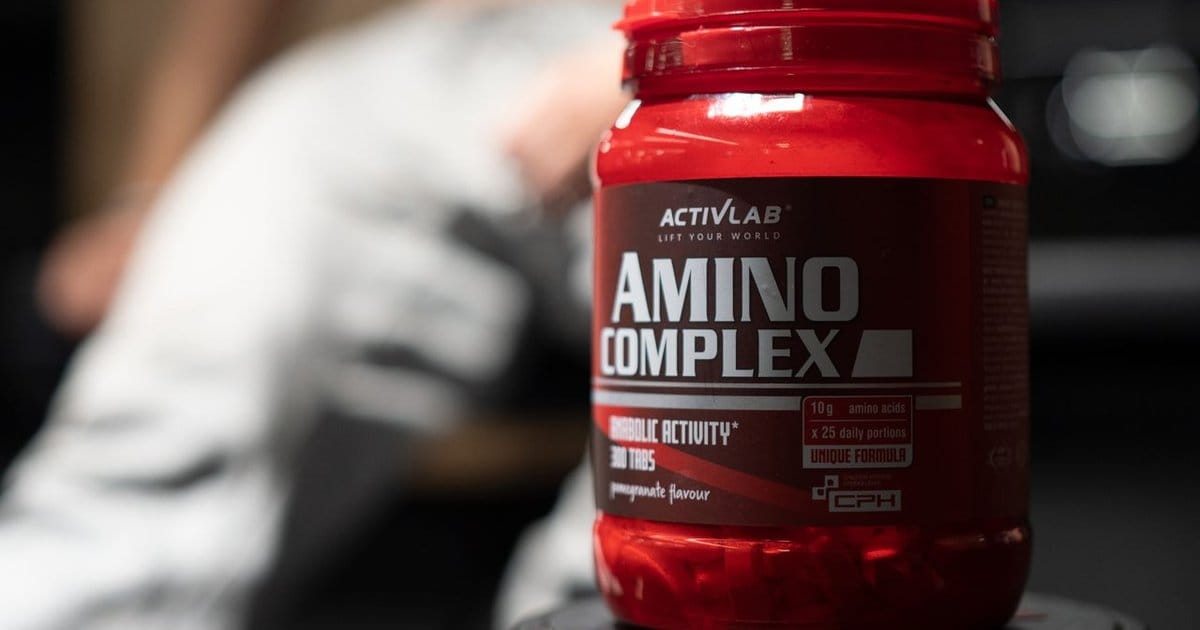
Creatine monohydrate is the most studied sports supplement in history — hundreds of trials, three decades, and a safety record cleaner than most foods in your kitchen. It is also the most misunderstood: loading myths, timing rituals, hair-loss panic. This guide is the evidence-first version: what it is, how to take it, what to expect, and what to ignore.
Everything here follows the pharmacist’s rule we use at Gooart Space: dose first, evidence over marketing.
Table of Contents
What Is Creatine Monohydrate?
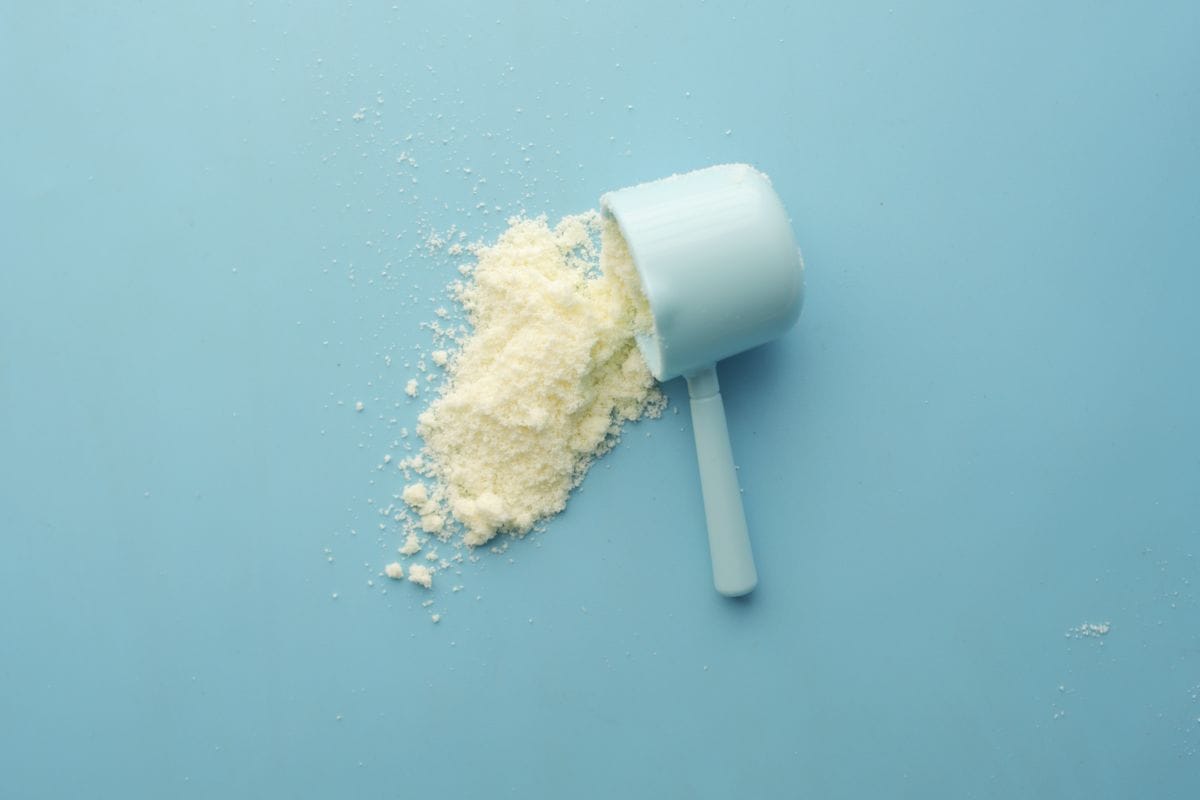
It is a compound your body already makes and stores in muscle as phosphocreatine — the fastest fuel source for short, maximal efforts. The supplemental form is one creatine molecule bonded to one water molecule, nothing else. Supplementing tops up the muscle tank, which means one or two more quality reps per set — and more quality reps over months is what builds strength and muscle.
It is not a steroid, not a stimulant, and not a mass gainer. It is an energy system upgrade for efforts lasting under about ten seconds: heavy sets, sprints, explosive combinations.
Creatine Supplements: Which Forms Actually Matter
Walk into any supplement shop and the shelf offers monohydrate, HCl, ethyl ester, buffered, liquid, and gummies. The honest summary:
- Monohydrate — the form used in virtually all the research. Cheap, effective, proven.
- Creatine HCl — dissolves better, costs more, works the same. No outcome advantage in trials.
- Buffered / ethyl ester / liquid — marketing upgrades without outcome data; the liquid form degrades in the bottle.
- Gummies and blends — you pay for flavoring and convenience, and the dose is often low.
Buy plain monohydrate. Spend the savings on food.
Creatine Powder: The Only Form You Need
Of every format, plain powder wins on price per gram, dose accuracy, and shelf stability. Micronized monohydrate mixes fine in water or a shake. Capsules are just powder in a jacket at a markup; skip them unless travel demands it.
How to Take Creatine
How to take creatine is simpler than the industry wants you to believe: 3–5 grams, every day, with any liquid, at any time. It works by saturating the muscle over weeks — consistency matters, the clock does not. Mix it in water, juice, or your protein shake; take it with a meal if your stomach prefers company. That is the whole protocol.
Creatine Loading Phase: Worth It or Not
The loading phase — 20 g per day for 5–7 days — saturates muscle faster (about one week instead of three to four). That is all it does. It is not stronger, just sooner. Loading is worth it if you have a competition or training block starting this week; otherwise the plain 3–5 g daily reaches the same saturation by week four. If you load, split it into four 5 g servings with meals to avoid stomach upset.
Best Time to Take Creatine
The right time is whenever you will remember it daily. The research nitpick: some trials show a small edge to post-workout over pre-workout, likely because it rides along with a meal. The effect size is trivial next to simply not missing days. Anchor it to a habit — post-training shake, morning coffee, dinner — and the question answers itself.

Electric Protein Shaker Bottle (380ml Automatic Self-Stirring)
Tired of unmixed creatine grit settling at the bottom of your glass? A high-speed electric vortex whisks creatine monohydrate and workout powders into complete dissolution within 15 seconds—effortless, quiet, and clump-free.
Is Creatine Safe?
In healthy adults at 3–5 g per day, the answer from decades of trials and the International Society of Sports Nutrition’s position stand is yes — one of the strongest safety records in sports nutrition. The standard cautions apply: existing kidney disease is a doctor conversation first; drink normal amounts of water; buy from brands with third-party testing. That is the complete safety briefing.
Creatine Side Effects: The Real List
Actual creatine side effects, ranked by how often they happen:
- Water weight — 1–2 kg in the first weeks, stored inside the muscle. This is the mechanism working, not fat gain.
- Stomach upset — almost always from loading doses taken at once or powder drunk dry. Split doses or skip loading.
- Muscle cramping claims — studied repeatedly, never replicated in trials. Hydrate normally and train.
Not on the real list: kidney damage in healthy adults, dehydration, or “you must cycle off.” None survive contact with the evidence.
Will Creatine Cause Hair Loss?
The fear comes from a single 2009 study on rugby players that found a rise in DHT — a hormone linked to hair loss — without measuring any hair. No trial since has replicated the DHT finding or documented actual hair loss. If male-pattern baldness runs in your family, no supplement decision changes your genetics much; if it does not, the current evidence says your hairline is not at risk.
Creatine Before and After: Realistic Results
Honest expectations, week by week:
- Weeks 1–2: scale up 1–2 kg (water in muscle), muscles look slightly fuller, no strength change yet.
- Weeks 3–4: saturation complete — an extra rep or two at your working weights, faster recovery between hard sets and sprints.
- Months 2–3: the compound effect — more total quality reps per week shows up as measurable strength and lean mass gains versus training without it.
What it will not do: build anything without training. It raises the ceiling of each session; you still have to show up and hit it. Pair it with a real program — our functional training workout blueprint is built for exactly this kind of progression.
Creatine Malaysia: Price and Buying Notes
For local buyers: plain monohydrate runs roughly RM 60–120 per kilogram-equivalent from online sellers and supplement chains — a few sen per day. Buy unflavored, single-ingredient monohydrate with third-party testing; skip imported hype brands priced for their marketing budget. Pharmacies, Shopee/Lazada official stores, and local supplement shops all stock it. If a tub costs more than your weekly chicken budget, you are paying for the label, not the contents.
FAQ
Should I take creatine or protein first?
Fix the bigger gap first. If food covers your daily protein, this adds more per ringgit. The full breakdown lives in our creatine vs protein guide.
Do I need to cycle it?
No. No evidence supports cycling off for healthy users. Saturation is the goal; take 3–5 g daily and stay on it.
Does it work for combat sports?
Yes — repeat explosive efforts (sprawls, combinations, clinch bursts) are exactly the energy system it fuels. Watch the water weight if you are cutting for a scale.
Can I mix it with coffee or a pre-workout?
Yes. The old caffeine-interaction claim never replicated. Stir it into whatever drink you already take daily — our pre-workout supplement guide covers what else belongs in that window.
Is it safe for teenagers or women?
The research base is strongest in healthy adults; women respond the same way (no, it does not make anyone bulky — the water goes into muscle). Teenagers should clear it with a doctor first, as with any supplement.
Three to five grams, every day, forever boring — that is the whole secret. Supplements multiply what training earns; the My Training library is where you earn it.
You've read the standards — now train them. Book a 1-on-1 session at our Melaka studio and get your baseline mapped across all 7 FCS systems in your first hour.
Book Your First Session