


The best self-defense move is the one you never have to use: awareness, distance and a calm exit. But if the day comes when exit is not an option, you need techniques that work under fear, adrenaline and zero warm-up. This guide teaches six self defense moves for beginners — chosen because they survive panic, need no flexibility, and can be practiced safely at home.
Table of Contents
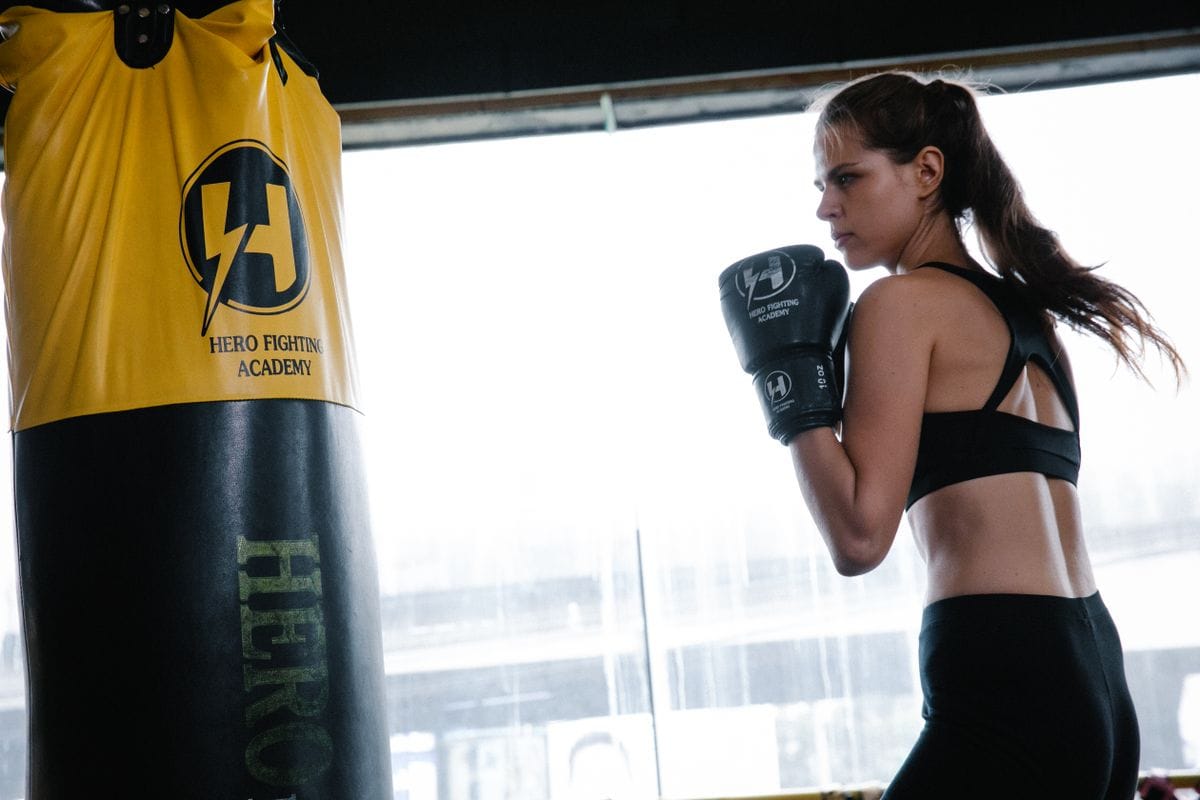
Before Any Move: Awareness and Distance
Self-defense starts minutes before any physical contact. The professionals’ order is always the same: avoid, escape, de-escalate — and only then, if cornered, act physically.
Practically: keep your head up out of your phone in transitional spaces (car parks, stairwells, ATMs), keep an arm’s length of distance from strangers who close in, and keep your hands up in a calm, open “I don’t want trouble” posture — it reads as peaceful to witnesses and secretly loads both hands for action. Loud voice, firm boundary, eyes on the exit. Most situations end right there.
Every set of self defense moves for beginners starts from this rule: the fight you avoid is the fight you win.
Self Defense Moves for Beginners: The Core Six
These six self defense moves for beginners are built for real conditions: gross motor only, no fine skill, no high kicks, no ground gymnastics. Each links to its full execution page in the 200+ FCS library.
1. The ready stance. Feet shoulder-width, strong side slightly back, hands up and open, chin tucked. Everything else launches from here — a solid combat stance is the foundation under all five other moves.
2. The palm strike. Heel of the palm to the attacker’s nose or chin, driven by the hips. It hits as hard as a punch with none of the knuckle risk — which is why it beats the fist for beginners. Mechanics live on the palm strike page.
3. The elbow. When someone is too close to punch, the elbow is the weapon — horizontal across the jaw or downward through the guard. Short, hard, bone on bone. See elbow strike mechanics.
4. The knee. Grabbed, clinched or standing chest-to-chest: drive the knee up through the groin or thigh, pulling the attacker into it. It works from the exact range street problems happen at.
5. The technical stand up. If you end up on the ground, the goal is not to fight there — it is to get up without eating a strike. The technical stand up is the single most important ground skill a civilian can own.
6. The hip escape. Pinned down, the hip escape creates the space to turn, recover guard or scramble back to your feet. One drill, endlessly useful.
These six self defense moves for beginners share one theme: create space, get to your feet, leave. Every technique on this list serves the exit — not the highlight reel.
How to Practice at Home
All six self defense moves for beginners above fit into fifteen minutes, three times a week, with no equipment:
- Stance and movement (3 min): hold the ready stance, step in every direction without crossing your feet.
- Striking rounds (3 × 2 min): palm strikes and elbows at the air or a pillow against a wall — full speed, full hip, exhale on impact. Visualize the target, not the room.
- Ground basics (3 min): five technical stand ups per side, then five hip escapes per side. Slow and exact beats fast and sloppy.
- Pressure test (1 min): eyes closed, breathe, open, explode into a palm strike on command from a timer. The skill that matters is switching from calm to action.
Consistency beats intensity here — twenty short sessions outperform one weekend seminar, because these moves must be available when your heart rate is 170.
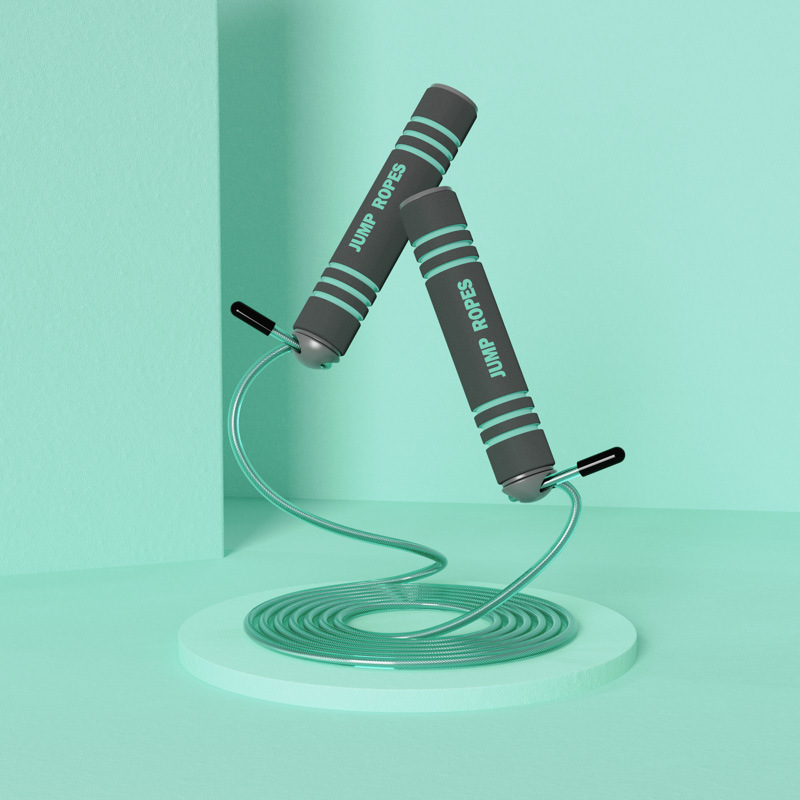
Best Fitness Skipping Rope – 2-in-1 Workout Jump Rope
Sharp defensive reflexes require nimble footwork and solid cardiovascular stamina. 5 minutes of daily skipping primes your calves and reaction timing—and the cordless ball attachment lets you train balance shifts indoors without noise or scuff marks.
What Self Defense Is Not
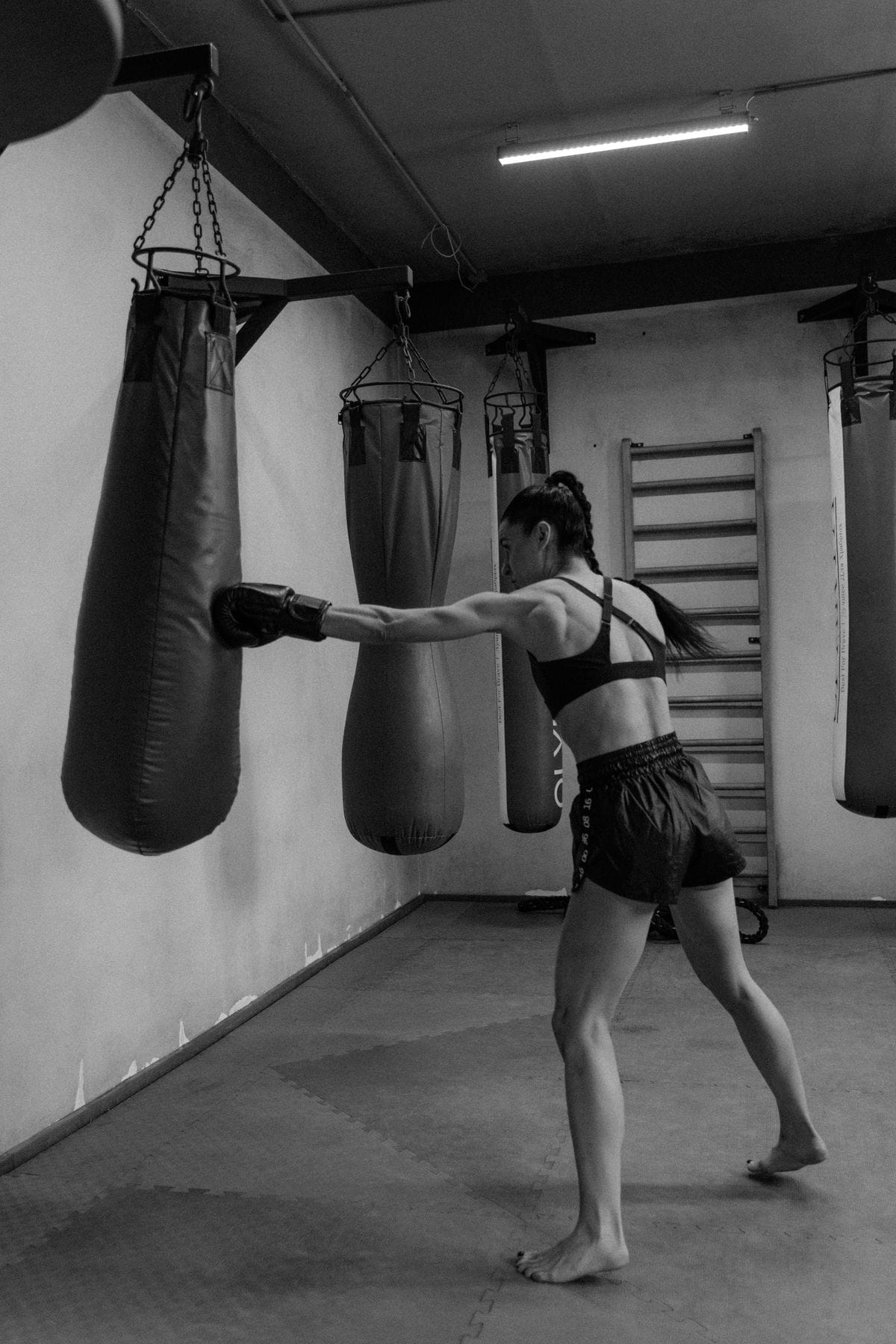
Most self defense moves for beginners taught online are fantasy — so here is the honesty section:
- It is not winning a fight. It is creating enough space and damage to escape one. Running after your move is the technique working, not cowardice.
- It is not learned from video alone. These pages teach shape and order; timing and contact need a partner and eventually a class. Our striking arts cover the standing side deeply — see how they compare for this exact purpose in muay thai vs boxing for self defense.
- It is not a license to escalate. Malaysian law recognizes self-defense within reason — force proportionate to the threat, stopping when the threat stops. The goal is always to go home safe, never to win a courtroom argument the hard way.
FAQ
What are the easiest self defense moves for beginners to learn?
The palm strike and the knee — both are gross-motor, need no flexibility, and work from the most common attack distances. Start with those two and the ready stance before anything else.
Can I learn self defense at home without a partner?
You can build the shapes, the conditioning and the reaction switch alone — stance, strikes at the air, stand ups, hip escapes. Add a partner later for timing. Home practice done consistently beats a seminar done once.
Which martial art is best for self defense?
The one that trains against resisting partners: muay thai and boxing for standing ranges, wrestling or BJJ for the ground, and awareness training above all of them. Style matters less than live practice.
Does Gooart Space teach self defense?
We teach the skills inside a combat-fitness system — stance, striking, stand-up and ground survival — with the online curriculum live now and in-person classes in Melaka in final preparation (coming soon). The Thai Boxing Class path covers the standing side in depth.
Awareness first, distance second, six self defense moves for beginners when neither is enough. Start tonight — the stance and palm strike pages are waiting in the free My Training library.
You've read the standards — now train them. Book a 1-on-1 session at our Melaka studio and get your baseline mapped across all 7 FCS systems in your first hour.
Book Your First Session