

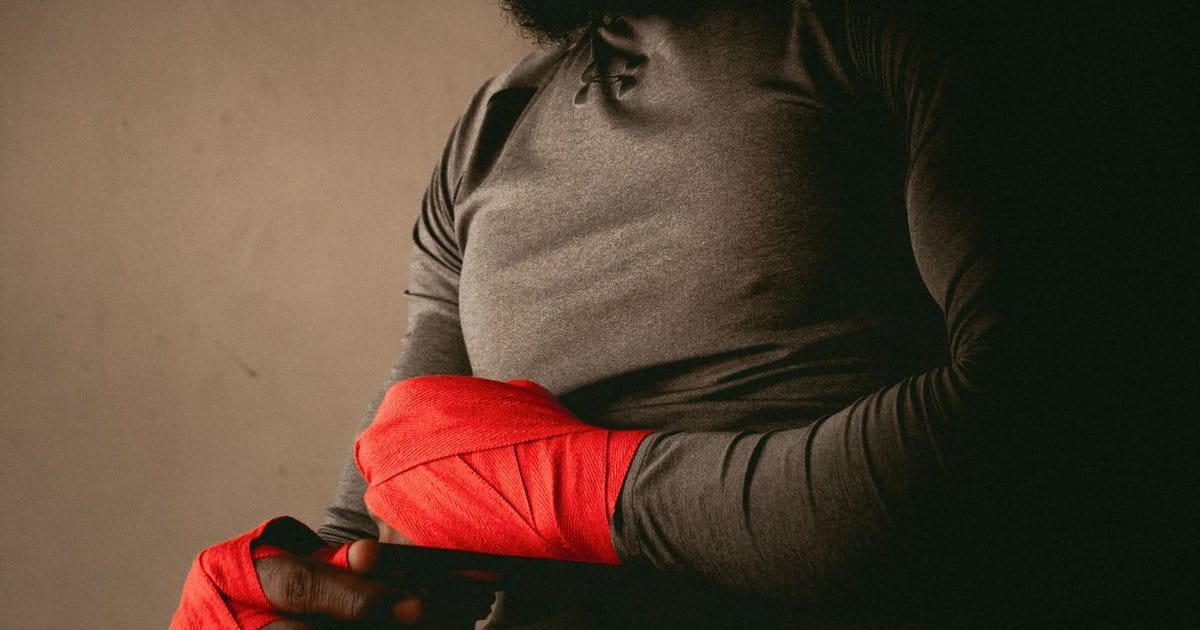
Tinju Thai — Muay Thai — dipanggil seni lapan anggota atas sebab tertentu: tinju, siku, lutut dan tulang kering semuanya menjaringkan mata, dan clinch adalah senjata, bukan rehat. Ia merupakan sukan kebangsaan Thailand yang berakar umbi selama lima abad, dan ia juga merupakan salah satu pendidikan serangan paling lengkap yang boleh diperoleh pemula.
Panduan ini merangkumi keseluruhan peta: dari mana ia berasal, peraturan yang membentuknya, sikap dan langkah yang mentafsirnya, dan cara tepat untuk memulakan latihannya di Malaysia hari ini.
Senarai Kandungan

Sejarah Tinju Thai: Lima Abad Lapan Anggota
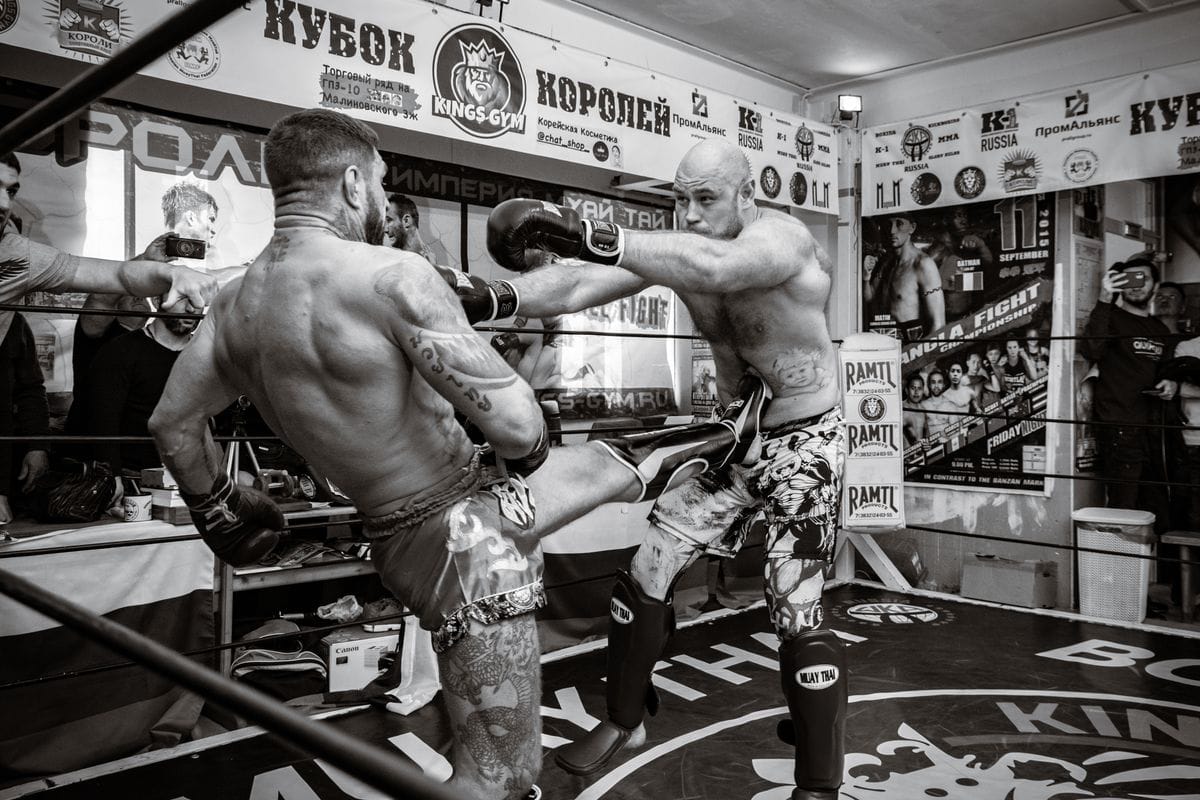
Sejarah tinju Thai bermula di medan perang. Tentera Siam melatih sistem pertarungan tanpa senjata — muay boran — untuk ketika pedang dan lembing hilang atau patah. Menjelang abad ke-16 ia telah menjadi latihan diraja dan sukan festival, dan menjelang awal abad ke-20 ia telah dikodkan dengan gelanggang, pusingan, sarung tangan dan kelas berat menjadi sukan stadium moden yang kini kita panggil muay thai.
Apa yang bertahan sepanjang setiap abad ialah budayanya: tarian ritual wai kru ram muay sebelum setiap pertarungan, ikat kepala mongkol, muzik langsung (sarama) yang mengikut rentak pusingan. Ia tidak pernah sekadar satu set peraturan — ia adalah warisan. Latih ia dan anda mewarisi lima ratus tahun ujian.
Peraturan Tinju Thai: Apa yang membezakannya
Peraturan tinju Thai ialah apa yang membezakannya daripada tinju, kickboxing dan MMA:
- Lapan senjata menjaringkan. Tinju, tendangan, siku lutut dan siku semuanya dibenarkan — tinju membenarkan dua daripadanya, kickboxing empat, muay thai kesemuanya lapan.
- Pertarungan clinch sedang berlangsung. Para petarung boleh memegang kepala dan leher, menendang dengan lutut dari posisi plum, dan mencatat lemparan yang menyebabkan keseimbangan terganggu. Pengadil hanya memisahkan pegangan apabila aksi terhenti.
- Tendangan ke kaki dan badan adalah sepenuhnya dibenarkan. Tendangan rendah adalah senjata utama untuk menjaringkan mata, bukan kesalahan.
- Pencapaian memberi ganjaran kepada kuasa yang bersih dan seimbang. Satu serangan bersih tunggal yang menolak lawan lebih bernilai daripada sederet pukulan tangan. Keseimbangan selepas setiap serangan itu penting — jika anda terjatuh, anda kalah pertukaran walaupun anda sempat mengenai sasaran.
Lima pusingan tiga minit, pengiraan mata tradisional, dan tiada pertarungan di tanah — satu pertarungan yang kekal berdiri tetapi menggunakan seluruh badan.
Posisi Tinju Thai: Segiempat, Tinggi dan Sedia untuk Menangkis
The postur tinju Thai Nampak salah bagi peninju, dan memang salah — untuk tinju. Ia menghadap lawan secara bersudut tegak, lebih tinggi daripada posisi tinju, berat badan sedikit ke belakang, kaki hadapan ringan, tangan tinggi dan sedikit terulur.
Setiap perincian wujud kerana peraturan. Asas segi empat membolehkan anda mengangkat mana-mana kaki untuk menyekat tendangan dalam sekelip mata — sikap tinju sisi menangkis tendangan rendah sepanjang malam. Postur yang tinggi menyokong clinch. Guard yang tinggi dan terulur menguruskan siku dan teep pada julat yang tinju tidak pernah singgahi. Ia menukar sedikit sudut penumbuk demi kelangsungan hidup di seluruh julat, yang memang pertukaran tepat di bawah peraturan lapan anggota. Bina ia di atas asas yang kukuh postur pertempuran Dasar dan laras sehingga rata.

Gerakan Tinju Thai: Lapan Senjata
Inti gerakan tinju Thai ada dua bagi setiap anggota badan:
- Jab dan lintangan — tangan tinju, digunakan untuk menyediakan segala yang lain. Kaku tumbuk Masih merupakan tumbukan bernilai tertinggi dalam mana-mana seni serangan.
- Siku (sok) — Senjata pendek mendatar, ke atas dan ke bawah yang mencincang pada jarak tinju dan ketika dalam clinch.
- Lutut (khao) — siku lurus ke badan, siku melengkung di sekeliling guard, dan siku loncatan untuk rakaman sorotan. Memusnahkan dari clinch.
- Tendangan (te) — tendangan bulat yang dilancarkan dengan tulang kering, diayun dari pinggul seperti pemukul besbol, ditambah tendangan rendah yang mematikan mobiliti lawan.
Tambah teep — tendangan dorong yang berfungsi seperti jab dengan kaki, menolak lawan kembali ke jarak anda — dan clinch (plum), di mana kedudukan kepala dan lutut menentukan pertukaran, dan anda mempunyai peta lengkap.
Teknik Tinju Thai yang Patut Dipelajari Dahulu
Daripada semua teknik tinju Thai, Lima teknik asas yang membalas serangan dengan paling pantas: sikap dan cek, jab, teep, tendangan bulat ke badan, dan siku lurus dari ikatan satu kolar. Kuasai kelima-limanya dalam enam bulan pertama dan anda akan mempunyai permainan Muay Thai yang berfungsi — segala yang lain hanyalah hiasan di atasnya.
Tinju Thai untuk Pemula: Cara Memulakan di Malaysia
Tinju Thai untuk pemula di Malaysia lebih mudah untuk bermula berbanding hampir mana-mana tempat di luar Thailand — budaya gim berakar umbi dari KL ke Melaka. Pesanan pintar:
- Minggu 1–4: Postur, berjaga, putaran pinggul, dan tinju bayangan. Belum ada kuasa — bentuk dahulu.
- Bulan 2–3: Latihan pad bermula. Jab, teep, roundhouse badan, lutut lurus. Melompat tali dan latihan kecergasan berat badan turut dijalankan.
- Bulan 3–6: sparring teknikal ringan, asas clinch, dan tabiat memeriksa setiap tendangan.
Jangka betis yang sakit, pinggul dan bahu yang letih kerana perlu bertahan — itu normal. Datang sekurang-kurangnya dua kali seminggu; Muay Thai memberi ganjaran kepada rentak berbanding intensiti. Kami Halaman kelas Mencakup cara kami menjalankan laluan ini di Gooart Space: kurikulum dalam talian kini sudah aktif, dan kelas bersemuka di Melaka sedang dalam persiapan akhir (akan datang tidak lama lagi).
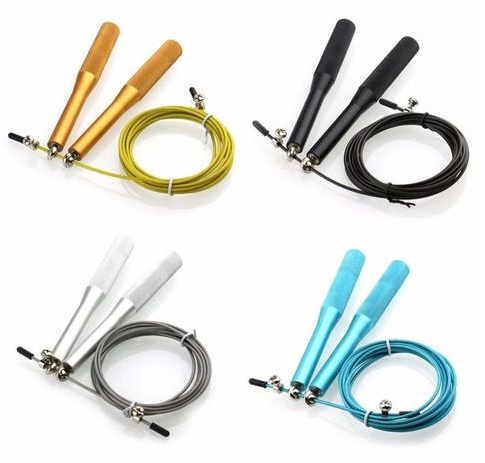
Tali Lompat Kelajuan Terbaik – Tali Lompat Aluminium (Kabel 3M)
Dalam Muay Thai, melompat tali adalah asas latihan harian yang tidak boleh dikompromi. Berbeza dengan tali plastik murah yang menyeret dan berpusing, tali laju aluminium pesawat ini memberikan putaran tanpa geseran untuk double-under tanpa usaha dan latihan kardio berirama tinggi.
Tinju Thai untuk Pertahanan Diri: Apa yang Diteruskan
Tinju Thai untuk pertahanan diri Memindahkan teknik dengan lebih baik berbanding kebanyakan seni serangan kerana ia merangkumi julat yang dihadapi dalam masalah sebenar. Teep mengekalkan penyerang pada jarak tendangan. Siku dan lutut berfungsi pada jarak cengkaman di mana tumbukan terlalu jauh. Clinche menjawab senario jalanan paling biasa — seseorang memegang kepala atau baju anda. Dan keseimbangan yang diasah melalui sistem mata Muay Thai memastikan anda terus berdiri apabila keadaan menjadi huru-hara.
Dua kelemahan nyata: ia tidak mempunyai permainan bawah, dan tabiat sukan (irama lima pusingan, penetapan semula hakim) tidak wujud di luar gelanggang. Gabungkan serangan dengan teknik berdiri asas dan kemahiran kesedaran, dan liputannya sangat baik. Untuk perbandingan penuh menentang alternatif dua senjata, lihat muay thai vs tinju.
Soalan Lazim
Adakah tinju Thai sama dengan Muay Thai?
Ya — ia adalah nama Inggeris lama untuk Muay Thai. Seni yang sama, peraturan yang sama, lapan anggota yang sama.
Adakah Muay Thai sesuai untuk pemula?
Sangat. Asasnya mudah untuk dimulakan — sikap, jab, teep, roundhouse — dan latihan kecergasan sudah terbina dalam. Jangka tiga bulan pertama yang sibuk apabila lapan senjata diselaraskan.
Bagaimana Muay Thai berbeza daripada kickboxing?
Kickboxing secara amnya membenarkan tumbukan dan tendangan sahaja, dengan clinch dipecahkan dengan cepat. Muay Thai menambah siku, lutut, pertarungan clinch secara langsung dan lontaran, dengan sistem mata yang memberi ganjaran kepada keseimbangan dan kuasa bersih berbanding jumlah serangan.
Berapa lama masa yang diperlukan untuk mahir dalam Muay Thai?
Enam bulan latihan dua kali seminggu menjadikan anda berfungsi; dua tahun menjadikan anda berbahaya. Betis dan pinggul menyesuaikan diri dalam tiga bulan pertama — selepas itu, kemajuan kebanyakannya adalah teknik dan IQ Bertarung.
Bolehkah saya belajar Muay Thai secara dalam talian?
Postur, kerja kaki, tinju bayangan, latihan kecergasan dan teori teknik memang — itulah yang diajar dalam kurikulum dalam talian kami. Penentuan masa dan sentuhan memerlukan pad dan rakan latihan kemudian, sebab itulah lantai Melaka kami akan datang seterusnya.
Lima ratus tahun ujian, lapan senjata, satu jalan jujur untuk masuk. Mulakan malam ini dengan halaman sikap dan teep dalam Perpustakaan Latihan Saya — ia percuma.
Anda telah membaca piawaian — kini latih mereka. Tempah sesi satu-satu di studio kami di Melaka dan kenal pasti asas anda merentasi semua 7 sistem FCS dalam jam pertama anda.
Tempah sesi pertama anda