
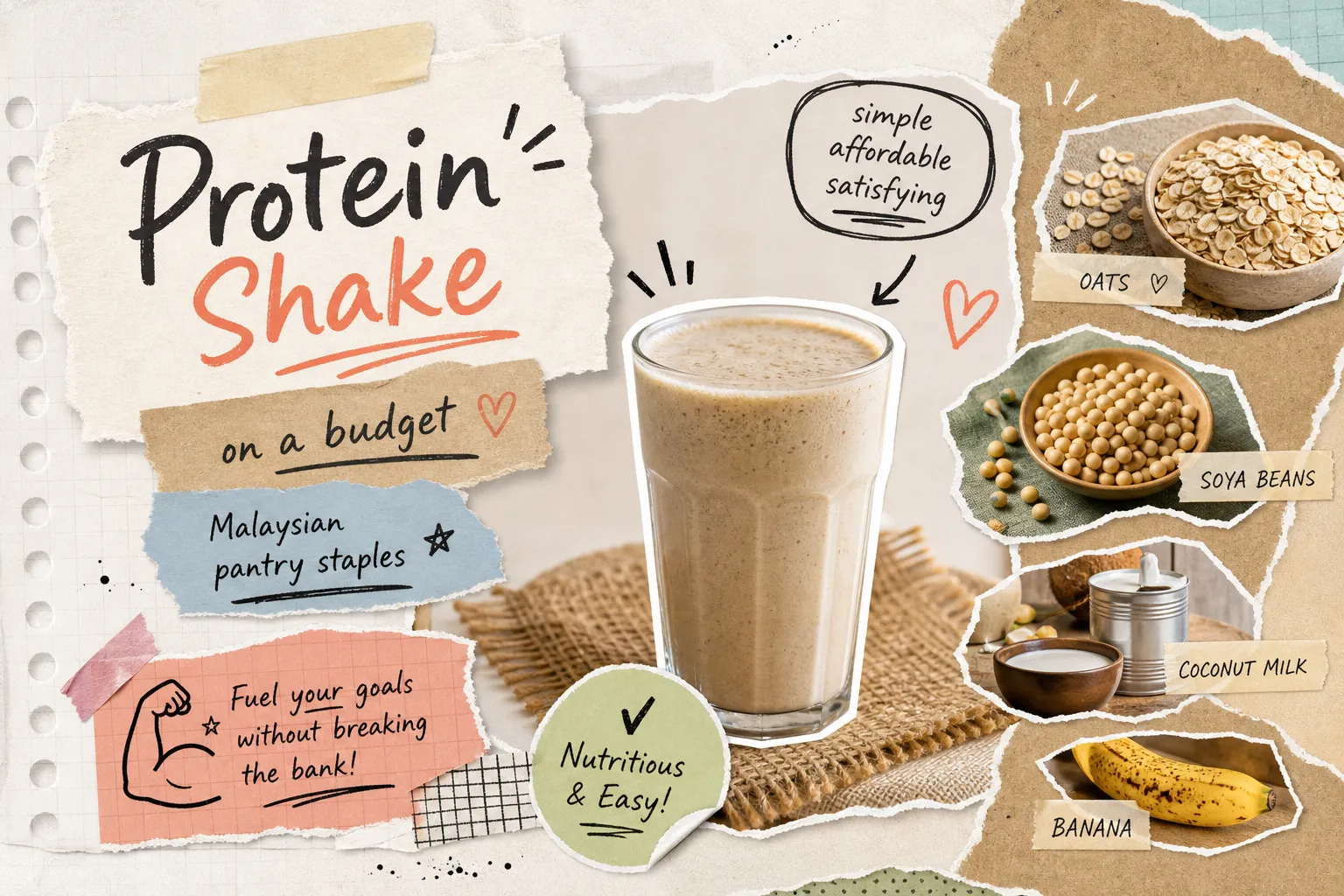
Ini protein shake recipe guide uses Malaysian pantry staples to deliver post-workout macros without the expensive imported tub. Many consumers overvalue brand recognition when total protein intake and consistency matter far more. Brand matters less than getting adequate, high-quality protein regularly. For anyone following a structured training programme, particularly the FCS curriculum at Gooart Space, where sessions range from heavy conditioning to technical skill work, what you put in your body after each session matters far more than which brand you choose. Below you will find six protein shake recipes with full macro estimates, smart local swaps, and a clear guide for matching each homemade protein shake to your training goal.
Senarai Kandungan
How to match your protein shake recipe to your training goal
The four shake types worth knowing
Not all shakes serve the same purpose. Using a protein shake recipe with an inappropriate macronutrient balance may impede optimal recovery or body composition goals, for example, a high-calorie muscle-gain shake will hinder a calorie deficit for weight loss. Post-workout shakes focus on protein and fast-absorbing carbs to support muscle repair after a hard session. Muscle-gain shakes are calorie-dense by design, built to push you into a surplus. Weight-loss shakes deliver high protein satiety at low caloric cost, keeping hunger manageable without derailing a deficit. Breakfast shakes replace a rushed or skipped morning meal without spiking your blood sugar and leaving you flat an hour later.
The mistake most people make is drinking a muscle-gain shake on a light skill session day, or reaching for a low-calorie option after a brutal conditioning circuit. Matching your homemade protein shake to the session takes less than ten seconds of thought, and you may notice differences in how you recover over the following weeks, though individual results will vary.
How much protein per serve is actually enough
Research points to roughly 0.25 to 0.4 g of protein per kg of bodyweight per post-workout serving, which translates to 20 to 40 g total for most adults. To put that in practical terms: a 60 kg person targets 15 to 24 g per shake, a 70 kg person targets 18 to 28 g, and an 80 kg person targets 20 to 32 g. These numbers are your working range, not a rigid prescription.
Consuming more than 40 g in a single post-workout serving provides no additional muscle-repair benefit when your total daily protein intake is already adequate. Your body does not bank the excess. Spread your protein across the day in servings every three to four hours, with your homemade protein shake as one of those servings rather than a substitute for a properly constructed diet.
Budget protein shake recipes for recovery and muscle building
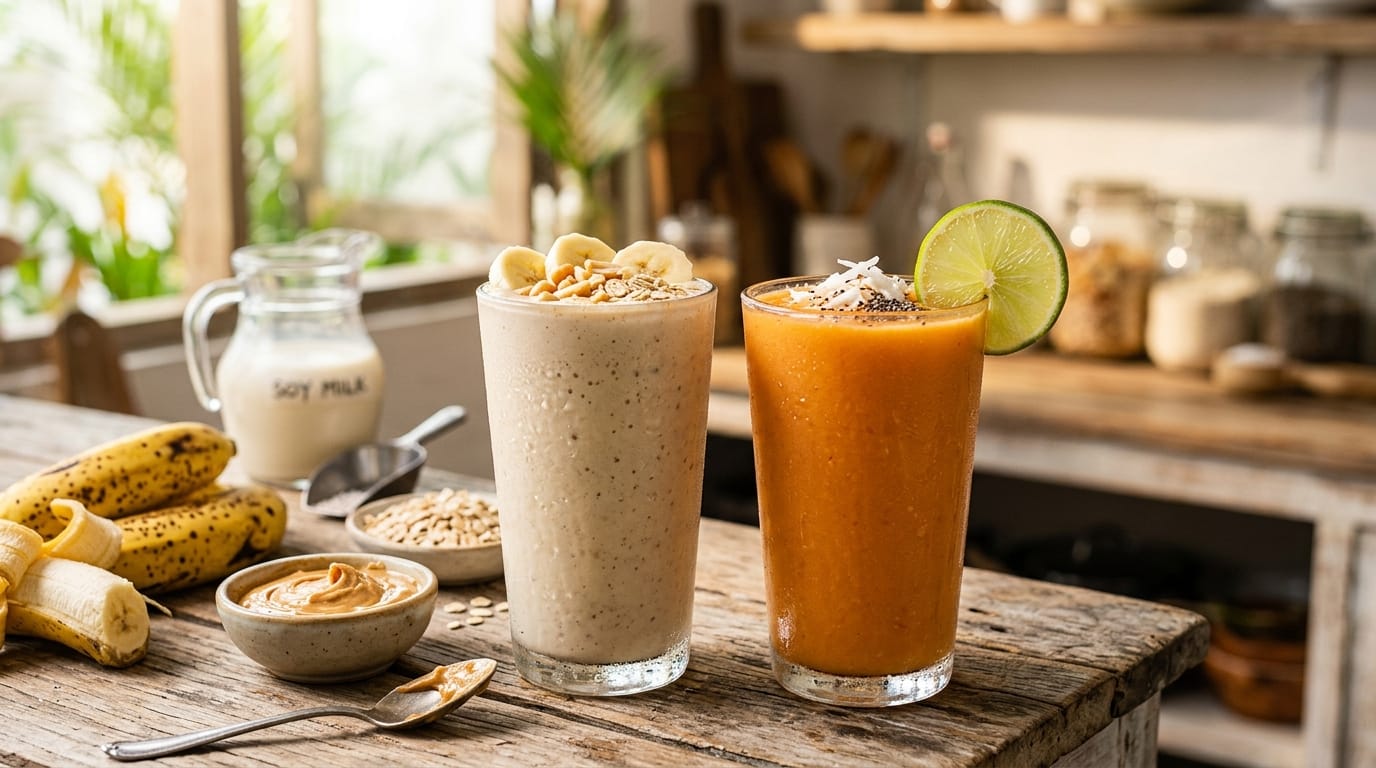
1. Banana peanut butter recovery shake
Goal: Post-workout recovery.
Bahan-bahan:
- 1 ripe banana
- 2 tablespoons natural peanut butter
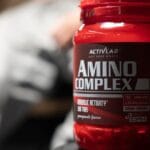
- 1 scoop local whey (Athlab or One Shot, approximately 24 to 25 g protein)
- 250 ml unsweetened soy milk
- Ice
Method: Blend the banana and soy milk first until smooth, add peanut butter and protein powder, blend for another 30 seconds, and serve immediately.
Macros per serve: approximately 480 to 530 kcal, 38 to 42 g protein, 35 g carbs, 16 to 20 g fat. (Based on standard values for one ripe banana, 2 tbsp peanut butter, one 30 g whey scoop, and 250 ml unsweetened soy milk. Exact figures vary by brand.)
This protein shake recipe suits heavy striking and kickboxing conditioning sessions where you have depleted glycogen and need both protein for repair and carbohydrates for replenishment. The banana’s moderate glycaemic index keeps the carbohydrate delivery steady rather than spiking. Pair with FCS striking or kickboxing conditioning days.
2. High-calorie oats and cocoa muscle builder
Goal: Calorie surplus for muscle gain.
Bahan-bahan:
- 1 banana
- 4 tablespoons rolled oats
- 2 tablespoons peanut butter
- 1 scoop whey
- 250 ml full-cream or soy milk
- 1 teaspoon cocoa powder
Method: Soak oats in the milk for five minutes before blending; this softens them enough for a smooth result without a gritty texture. Blend all ingredients together until smooth.
Macros per serve: approximately 750 to 820 kcal, 45 to 51 g protein, 75 g carbs, 22 g fat.
This is not an everyday homemade protein shake. It suits a deliberate caloric surplus on heavy strength and conditioning days within the FCS programme, where the training load genuinely demands extra fuel. Drink this protein shake recipe post-workout on those sessions, not as a casual addition to your normal eating. The carbohydrate-to-protein ratio here sits closer to 1.5:1. Note that research for high-intensity combat sessions typically recommends a 2:1 to 3:1 ratio for full glycogen repletion, the remaining carbohydrate should come from your subsequent meals to reach that target.
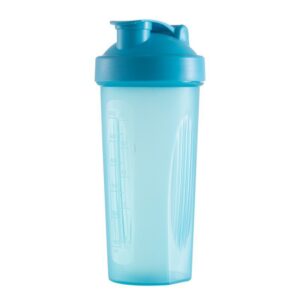
600ml Protein Shaker Bottle (Leak-Proof Gym Mixer Cup)
Prepping a large 500ml+ surplus mass shake with oats and peanut butter? This high-capacity 600ml shaker bottle provides ample headroom for smooth mixing, clear embossed ml/oz volume marks, and an airtight snap-lock flip cap that won’t spill in your gym bag.
3. Papaya and soy milk protein smoothie
Goal: Light recovery with digestive support.
Bahan-bahan:
- 1 cup ripe papaya (roughly 150 g)
- 1 scoop whey or pea protein
- 250 ml unsweetened soy milk
- A squeeze of lime
Method: Chill the papaya before blending, add protein powder and soy milk, blend until smooth, and add the lime juice at the end to preserve its brightness.
Macros per serve: approximately 290 to 340 kcal, 28 to 32 g protein, 30 g carbs, 4 g fat.
Papaya has a medium glycaemic index (around 56 to 58) and sits comfortably in a post-session protein shake recipe where you do not need an aggressive carbohydrate hit. It is also consistently cheaper than imported fruit and widely available at wet markets and pasar malam in Melaka, making it a practical local staple for homemade protein shakes. Pair with footwork and defence skill sessions where caloric demand is moderate rather than exhaustive.
Protein shake recipe ideas for weight loss and quick morning fuel
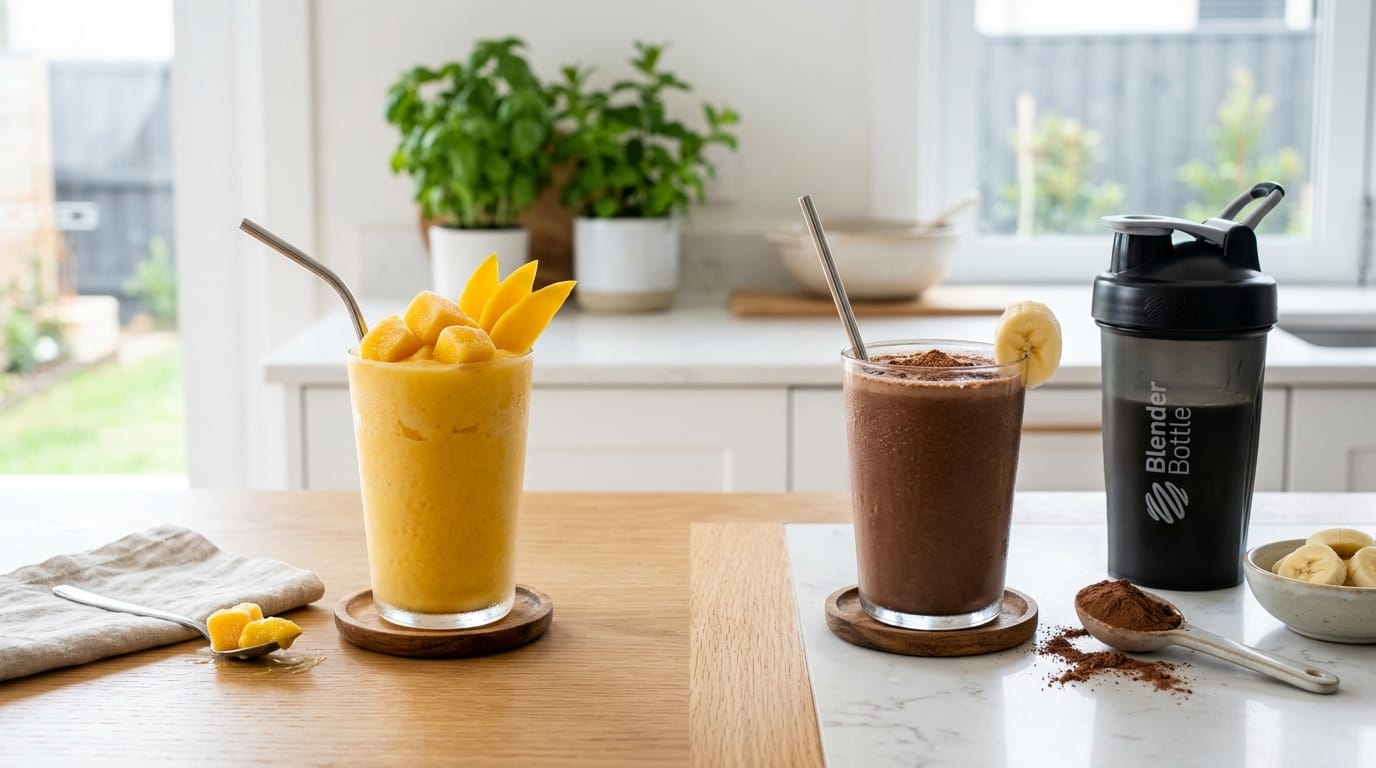
4. Low-calorie mango and soy shake
Goal: High protein, low calorie.
Bahan-bahan:
- ½ cup frozen mango
- 1 scoop whey isolate
- 200 ml unsweetened soy milk
- 100 ml water
- Ice
Method: Blend the mango and liquids first, add protein powder, blend for 20 seconds.
Macros per serve: approximately 230 to 260 kcal, 28 to 30 g protein, 24 g carbs, 2 g fat.
Mango has a moderate-to-low glycaemic index, typically cited between 51 and 60 depending on ripeness and variety, making it a sensible choice for a weight-loss protein shake recipe that still delivers adequate carbohydrate for lighter training sessions. Use whey isolate in this homemade protein shake rather than concentrate; isolate is typically above 90% protein by weight and contains less lactose, which matters if you are sensitive. Pair with FCS functional movement or ground mobility sessions on lower-intensity days.
5. Milo-style breakfast shake
Goal: Quick breakfast with moderate protein.
Bahan-bahan:
- 250 ml cold soy or oat milk
- 1 tablespoon Milo
- 1 teaspoon unsweetened cocoa powder
- ½ banana
- 1 scoop whey
Method: Add everything to a shaker bottle or blender, shake or blend for 20 seconds, drink immediately. Reducing Milo and supplementing with cocoa keeps the chocolate flavour intact while cutting sugar significantly.
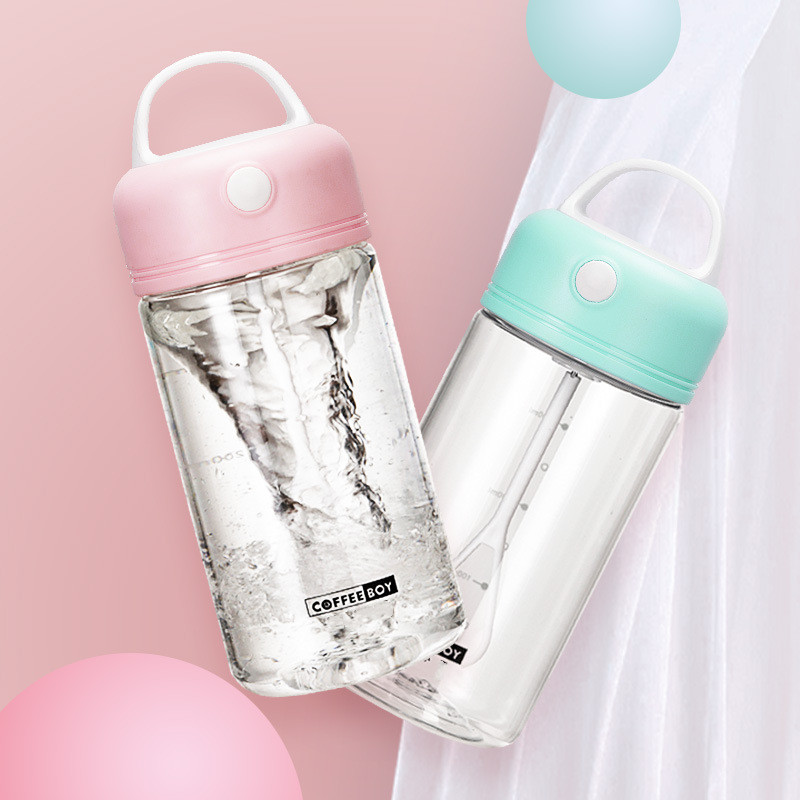
Portable Electric Protein Shaker Bottle (380ml)
Making a quick Milo & whey shake at your office desk or pre-workout? A motorised vortex whisks powders, cocoa, and milk into a clump-free drink in 15 seconds—no shaker wire ball needed. (Note: designed for powders and liquids; use a countertop blender for solid fruits and peanut butter.)
Macros per serve: approximately 270 to 320 kcal, 30 to 35 g protein, 32 g carbs, 5 g fat. (Figures based on 250 ml soy milk, one standard whey scoop, half a banana, and one tablespoon Milo; totals vary by brand choice.)
This protein shake recipe is built for early morning FCS online sessions when you need something fast that will not sit heavily in your stomach. The banana keeps it filling without being rich, and the whole thing takes under three minutes to assemble. If you are training before breakfast on Gooart Space’s online platform, this homemade protein shake is a practical default that covers your protein base without requiring full meal preparation.
6. No-powder oat and banana meal shake
Goal: Budget breakfast with no protein powder.
Bahan-bahan:
- 1 large ripe banana
- 5 tablespoons rolled oats
- 250 ml plain yoghurt (or silken tofu for a dairy-free version)
- 200 ml soy milk
- 1 teaspoon honey or gula Melaka
Method: Soak the oats overnight or for ten minutes before blending for a smoother result.
Macros per serve (yoghurt version): approximately 420 to 460 kcal, 18 to 22 g protein, 58 g carbs, 8 g fat. Silken tofu version: approximately 380 to 420 kcal, 16 to 20 g protein, 55 g carbs, 6 g fat. (Figures vary by yoghurt fat content and tofu brand.)
The protein content is lower without powder, which is worth knowing upfront. This homemade protein shake works well as a pre-workout fuel option rather than a post-workout recovery option. It provides steady energy without the fat that would slow digestion before a session. If you are stretching your budget, this protein shake recipe is a practical everyday option that keeps your carbohydrate and calorie base covered even on training days.
Malaysian ingredient swaps that keep costs down
Dairy-free and budget-friendly homemade protein shake alternatives
Unsweetened soy milk is the most practical dairy substitute available in Malaysian supermarkets. It delivers roughly 3.5 g protein per 100 ml, nearly identical to full-cream cow’s milk (3.6 g per 100 ml), but at around 38 kcal per 100 ml compared to cow’s milk’s 66 kcal. For anyone on a calorie deficit, that difference accumulates across a full week of daily homemade protein shakes. Oat milk and almond milk trail significantly on protein, so choose soy if protein is your priority.
For fruit, ripe bananas, papayas, and seasonal mangoes from wet markets or pasar malam are substantially cheaper than imported berries and deliver comparable carbohydrate content for post-workout recovery. Freeze ripe bananas before they turn; they blend into a thick, creamy base that removes the need for ice cream or avocado. Silken tofu blended with soy milk is a solid replacement for Greek yoghurt and adds protein without the price premium. For sweetener, ripe pisang mas or a small amount of gula Melaka works just as well as honey, and both are easier to source locally. These homemade protein shake variations keep your weekly grocery bill low without sacrificing nutritional quality.
Which local protein powders are worth buying
Malaysian brands including Athlab (24 g per 33 g serving), One Shot Nutrition (25 g per serving), and Pharmanutri (24 to 27 g per scoop) deliver comparable protein per scoop to imported options at meaningfully lower cost. Berro Labs is worth considering for anyone who prioritises documented third-party testing; it holds halal certification and publicly accessible SGS Malaysia lab reports, confirm current certificate numbers and the relevant batch COA before purchase, as certifications are subject to renewal.
The number to check is not the headline gram figure; it is the protein percentage. A 24 g serving from a 30 g scoop represents 80% protein, which is solid. An 18 g serving from a 40 g scoop is 45%, which is not. Prioritise halal certification, Malaysian labelling, and batch documentation, especially for unusually cheap products or anything claiming 30 g protein in a 30 g scoop. Purchase from official brand stores or verified marketplace sellers to avoid counterfeit or expired stock in your protein shake recipe.
Fridge prep and batch basics
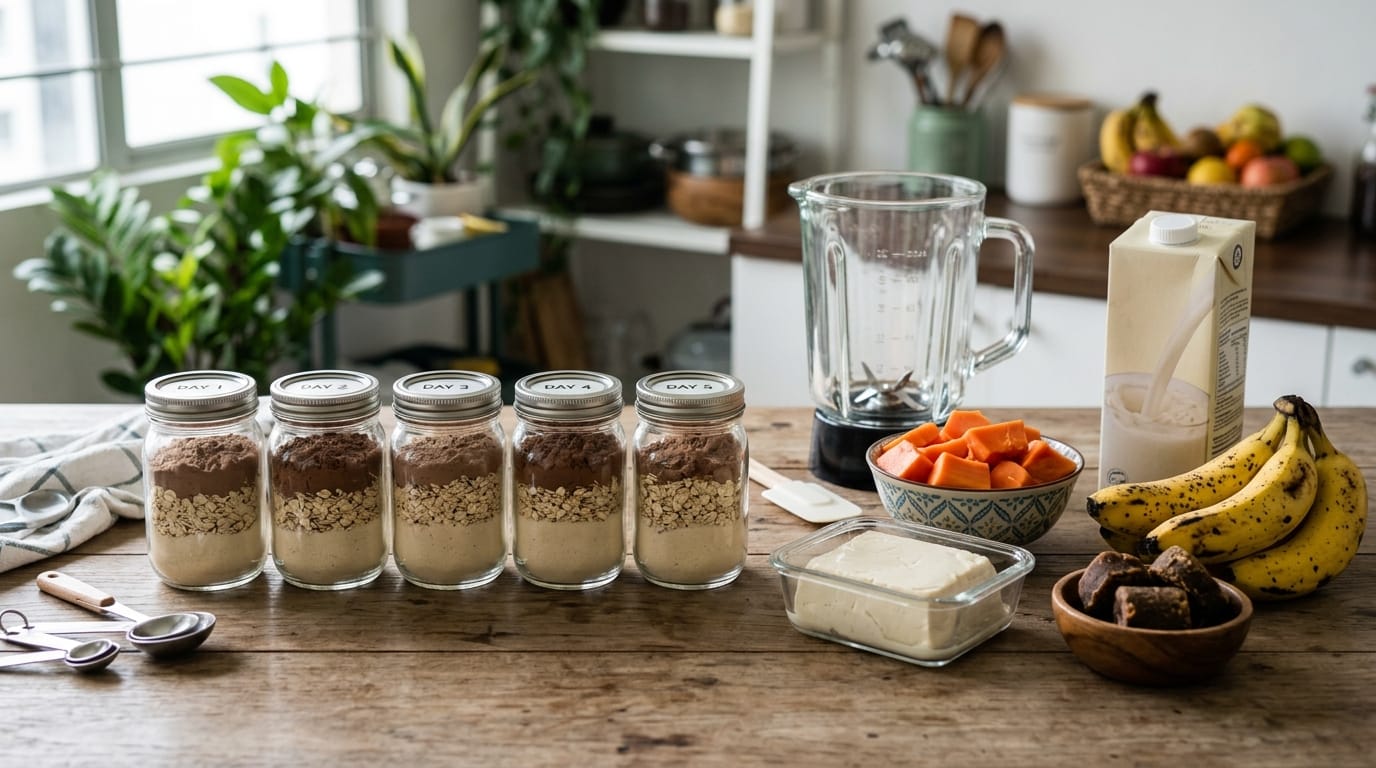
How long your homemade protein shake keeps and how to prep smart
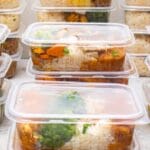
Prepared shakes last 24 to 48 hours when refrigerated at or below 4°C. Anything containing dairy, yoghurt, tofu, or fresh fruit should be consumed within 48 hours. Water-only shakes can stretch to 72 hours but are the exception, not the rule. Label each bottle with the preparation time, and discard immediately if the shake smells sour, appears fizzy, or has an unusual texture. If you are unsure, discard it.
The prep method that saves the most time without compromising food safety is to batch-prepare dry portions. Measure protein powder, oats, and cocoa into individual bags or containers for five days at once. Each morning, add fresh liquid, fruit, and ice. This takes under three minutes per protein shake recipe and avoids the risk of storing blended liquid for a full week. Keep blender jars clean and dry between uses; protein residue supports bacterial growth faster than most people expect, particularly in Malaysia’s humidity.
How to batch-prep and blend a budget homemade protein shake in under 3 minutes using Malaysian pantry staples.
Jumlah Masa: 3 minit
Pre-measure 5 days of dry portions
Measure your local whey or plant protein powder, rolled oats, and unsweetened cocoa powder into five individual bags or small glass jars at the start of the week.
Prepare and chill your local fruit
Slice and freeze ripe wet-market bananas, papayas, or seasonal mangoes in advance so they act as a thick, cold base without needing ice cream.
Pour liquid first into the blender
Each morning, pour 200 to 250 ml of unsweetened soy milk, full-cream milk, or water into the blender jar first to prevent dry powder from sticking to the blades.
Add one dry portion and fruit, then blend for 30 seconds
Empty one pre-measured dry jar and your chilled fruit into the blender, blend on high for 20 to 30 seconds until smooth, and drink immediately or refrigerate at or below 4°C for up to 48 hours.
Rinse and dry the blender jar immediately
Wash the blender jar and shaker bottle right after pouring so protein residue does not sit in Malaysia’s warm, humid kitchen air.
Pairing your shake with Gooart Space FCS training and free tools
Different FCS sessions have different energy and recovery demands, and your protein shake recipe choice should reflect that. Consider three broad patterns:
- Heavy striking and conditioning sessions deplete glycogen quickly and need a higher-carb recovery shake. Shakes 1 and 2 are built for those days.
- Skill-based footwork or fight IQ sessions burn less fuel and suit a lighter option such as Shakes 3 or 4.
- Early morning online classes before breakfast benefit from something fast and moderate, which is where Shake 5 or 6 fits cleanly.
Gooart Space offers a free protein calculator that takes your bodyweight and training frequency and returns a daily protein target quickly. A daily fuel tracker then shows how your shakes and meals stack against that target across the day. For anyone training consistently on the FCS curriculum, these tools can help reduce guesswork around nutrition, though they work best alongside, not as a replacement for, personalised advice from a registered dietitian where specific health conditions are involved. Use them alongside each homemade protein shake and protein shake recipe here to get a clearer picture of whether your intake is aligned with your training load.
Frequently asked questions (FAQ)
How much protein do I need in a post-workout protein shake recipe?
Most adults need 0.25 to 0.4 g of protein per kg of bodyweight per post-workout serving, or roughly 20 to 40 g total. Consuming more than 40 g in a single shake offers no extra muscle-repair benefit when your daily protein target is already met.
Can I make a homemade protein shake without protein powder?
Yes. Blending 250 ml of plain yoghurt or silken tofu with 200 ml of unsweetened soy milk, 5 tablespoons of rolled oats, and a ripe banana delivers 16 to 22 g of whole-food protein using everyday Malaysian supermarket ingredients.
Which milk is best for a budget protein shake in Malaysia?
Unsweetened soy milk is the most cost-effective dairy-free option in Malaysian supermarkets. It provides around 3.5 g of protein per 100 ml—nearly identical to cow’s milk—at roughly half the calories (38 kcal vs 66 kcal per 100 ml) and far more protein than oat or almond milk.
Are local Malaysian protein powders as good as imported brands?
Reputable Malaysian brands such as Athlab, One Shot Nutrition, Pharmanutri, and Berro Labs deliver 24 to 27 g of protein per scoop at a much lower cost per serving. Always check the protein percentage per scoop (aim for 75% to 80%+), halal certification, and batch lab reports.
How long can I keep a blended homemade protein shake in the fridge?
A prepared homemade protein shake containing soy milk, dairy, yoghurt, tofu, or fresh fruit keeps safely for 24 to 48 hours when refrigerated at or below 4°C. Discard any shake that smells sour, turns fizzy, or separates with an unusual texture.
The only thing that actually works is consistency
A good post-workout homemade protein shake does not need to be complicated or expensive. Six ingredients from any Malaysian wet market or supermarket, a blender, and a clear sense of what your training session demanded: that is the entire formula. The macro estimates in this article are a starting point. Adjust portions to your bodyweight target, check your daily total using Gooart Space’s free protein calculator, and keep making the same protein shake recipe until it becomes as automatic as lacing up your trainers.
Complexity is easy to sell. It is also easy to abandon. Stick to one protein shake recipe you can make consistently and it will outperform an elaborate protocol you manage twice a month. Pick one homemade protein shake from this list, make it work for your goal, and move on to the training that matters.
Anda telah membaca piawaian — kini latih mereka. Tempah sesi satu-satu di studio kami di Melaka dan kenal pasti asas anda merentasi semua 7 sistem FCS dalam jam pertama anda.
Tempah sesi pertama anda