

Lapan jam di meja, sejam di telefon, kemudian latihan — jika anda bersenam langsung. Itulah persamaan postur moden, dan bagi kebanyakan pekerja pejabat ia berakhir dengan cara yang sama: kepala condong ke hadapan, bahu membulat ke dalam, bahagian bawah belakang perlahan-lahan mengadu sakit. Panduan ini adalah pelan pembetulan: apa sebenarnya kesan duduk terhadap postur badan anda, cara menyusun semula meja anda supaya ia berhenti memberi kesan negatif, serta senaman dan regangan yang membina semula apa yang dirosakkan oleh hari bekerja.
The Pembetulan postur duduk Pendekatan ini dibina untuk orang yang tidak dapat meninggalkan kerusi mereka — pekerja pejabat, pelajar, pemandu, dan sesiapa sahaja yang masa skrin mereka melebihi masa latihan. Tiada belanja membeli peralatan, tiada pendakap postur, tiada rasa bersalah. Hanya piawaian, beberapa minit kerja harian, dan jangka masa yang jujur.
Senarai Kandungan
Apa Sebenarnya Kesan Duduk Sepanjang Hari Terhadap Postur Tubuh Anda
Masalah postur adalah masalah beban. Apabila kepala anda — dengan berat lima kilogramnya — tergeser beberapa sentimeter ke hadapan bahu anda, otot-otot di belakang leher anda menanggung beban itu selama berjam-jam tanpa henti. Ini adalah postur kepala ke hadapan, dan ia bertambah: dada mengencang, bahagian atas belakang membundar, otot fleksor pinggul memendek akibat duduk, dan otot gluteus menjadi lesu. Tiada satu pun daripada ini berlaku kerana anda malas. Ia berlaku kerana posisi itu diulangi beribu-ribu kali, dan tisu menyesuaikan diri dengan apa yang diulanginya. Berita baiknya ialah penyesuaian berlaku dua hala.
Pembetulan Postur Duduk: Susunan Meja yang Menjaga
Sebelum melakukan sebarang senaman, tetapkan posisi yang paling lama anda lakukan. Lima piawaian, tiada peralatan diperlukan:
- Layar pada paras mata. Bahagian atas sepertiga monitor anda pada atau sedikit di bawah paras mata. Satu timbunan buku di bawah komputer riba adalah penyelesaian yang sah.
- Kaki rata, lutut hampir sembilan puluh darjah. Jika kaki anda tergantung, rantaian di atasnya yang menanggungnya.
- Pinggul sedikit di atas lutut. Kemiringan pelvis sedikit ke hadapan mengekalkan lengkungan semula jadi bahagian bawah belakang tanpa usaha.
- Siku berhampiran rusuk anda. Mengulurkan tangan ke hadapan untuk mencapai papan kekunci sepanjang hari adalah cara bahu menjadi bongkok. Bawa kerja itu kepada anda.
- Berdiri setiap 30–45 minit. Bukan senaman — cuma berdiri, berjalan ke tingkap, duduk semula. Kekerapan mengatasi tempoh.

Latihan Pembetulan Postur untuk Pekerja Meja
Kekuatan adalah apa yang mengekalkan pembetulan. Lima senaman pembetulan postur ini datang terus dari perpustakaan senaman FCS yang mempunyai lebih 200 senaman — setiap halaman pautan mempunyai piawaian pelaksanaan penuh:
- Prone Y-T-W-L Raises — penawar terbaik untuk bahu yang membulat; melatih otot-otot pertengahan belakang yang menarik bahu anda kembali ke tempatnya.
- Dead Bug — mengajar batang tubuh anda kekal tegar semasa anggota badan anda bergerak, iaitu kemahiran tepat yang diperlukan untuk duduk tegak.
- Gantung mati — dekompresi pasif untuk tulang belakang yang telah tertekan dalam kerusi sepanjang hari, ditambah latihan cengkaman sebagai bonus.
- 90/90 Peralihan Pinggul — memulihkan putaran pinggul yang terkunci semasa duduk, menyumbang terus kepada kedudukan pelvis yang lebih tinggi.
- Wall Sit — membina semula kekuatan kaki dan daya tahan postur untuk berdiri dan duduk tegak tanpa keletihan yang menyebabkan anda kembali bongkok.
Mulakan dengan tiga sesi seminggu, satu atau dua pergerakan setiap sesi, dua hingga tiga set setiap satu. Konsistensi lebih penting daripada jumlah di sini.

Regangan Pembetulan Postur untuk Mengatasi Duduk Berpanjangan
Penguatan menarik anda tegak; peregangan membolehkan anda sampai ke sana. Tisu yang tegang mengekalkan bentuk bongkok — peregangan pembetulan postur ini melepaskannya:
- Regangan Sofa — membuka otot fleksor pinggul dan kuadrisep, ketegangan nombor satu pada sesiapa yang bekerja sambil duduk.
- Regangan Terbaik Dunia — putaran toraks, pinggul, dan otot paha belakang dalam satu gerakan; dua minit terbaik untuk mobiliti.
- Regangan dada pintu — letakkan lengan depan pada bingkai pintu, langkah perlahan-lahan, tiga puluh saat setiap sisi. Lakukan setiap kali anda membuat kopi.
- Chin tucks — Geserkan kepala anda terus ke belakang seolah-olah anda sedang membuat dagu ganda, tahan selama lima saat, ulangi sepuluh kali. Pembalikan langsung terhadap kecenderungan kepala ke hadapan.
Sindrom Leher Teknologi: Gejala dan Punca
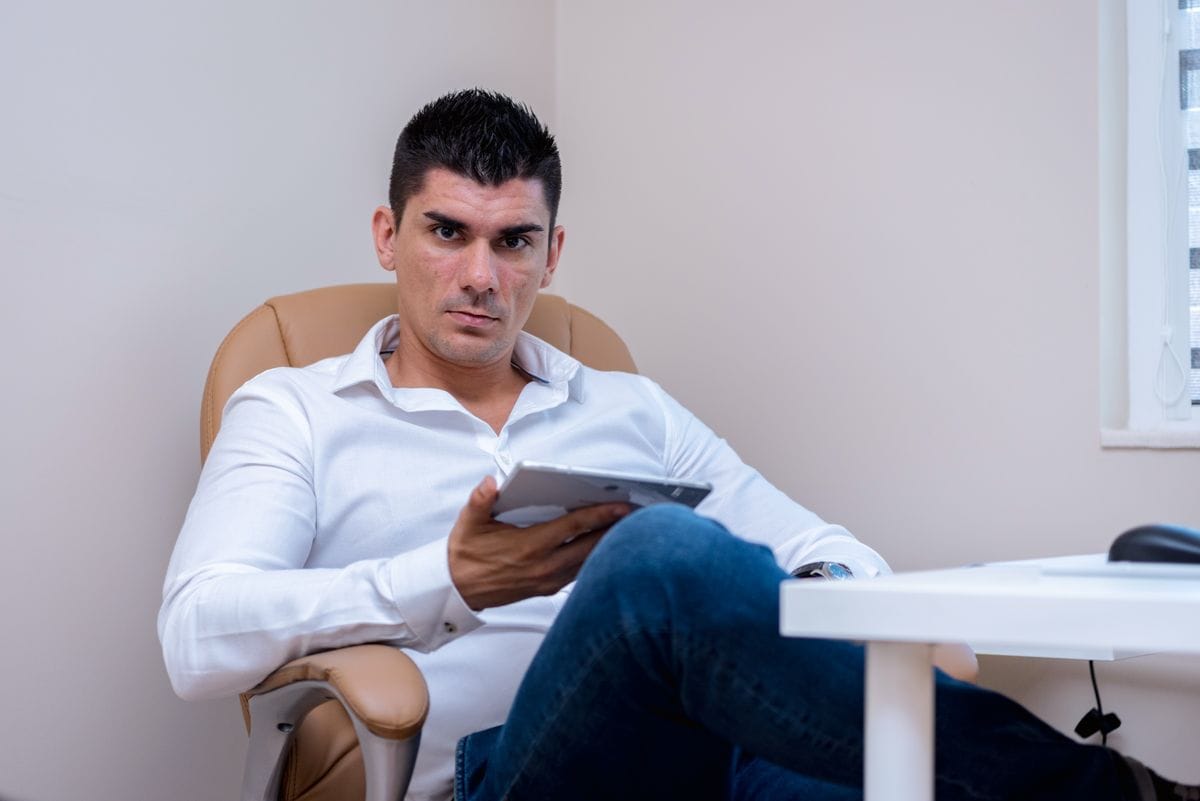
Leher teknologi adalah versi postur kepala condong ke hadapan era telefon bimbit: berjam-jam memandang ke bawah pada skrin yang dipegang setinggi dada. Sindrom leher teknologi muncul sebagai satu kelompok yang boleh diramalkan — dan mengesaninya awal adalah penyelesaian paling murah.
Senarai Semak Gejala Tech Neck
- Rasa sakit atau terbakar di sepanjang pangkal leher dan bahagian atas bahu menjelang pertengahan petang
- Sakit kepala yang bermula di belakang tengkorak dan melilit ke hadapan
- Kekakuan apabila memusingkan kepala untuk memeriksa titik buta
- Rasa kesemutan atau rasa berat di lengan selepas sesi telefon yang panjang
- Perpindahan ke hadapan kepala yang ketara dalam foto profil sisi
Bolehkah Tech Neck diperbaiki?
Ya — soalan "bolehkah leher teknologi diperbaiki" adalah antara soalan paling kerap dicari dalam bidang ini atas sebab tertentu, dan jawapannya benar-benar menggalakkan. Leher teknologi adalah penyesuaian posisi, bukan penyakit struktur, jadi ia boleh dibalikkan dengan kerja posisi: angkat skrin, tarik dagu ke belakang, kuatkan bahagian tengah belakang, dan berehat sambil berdiri. Kebanyakan orang merasakan perbezaan dalam dua hingga empat minggu dan melihat perubahan ketara dalam lapan hingga dua belas minggu. Kes yang teruk atau berpanjangan patut diperiksa oleh ahli fisioterapi, tetapi versi hariannya bertindak balas tepat kepada apa yang terdapat di halaman ini.
Berapa lama pembetulan postur mengambil masa?
Jawapan jujur: berapa lama pembetulan postur mengambil masa bergantung pada berapa lama postur itu terbentuk. Sebagai garis panduan am — minggu pertama hingga kedua, anda menyedari kesedaran dan sakit hujung hari berkurang; minggu keempat hingga keenam, gambar mula kelihatan berbeza dan pembetulan terasa kurang memerlukan usaha; bulan ketiga hingga keenam, posisi baru menjadi kebiasaan anda. Sesi lima minit setiap hari mengatasi satu jam seminggu secara heroik. Susun atur meja yang diubah berbanding sebelum ini memberi kesan pada setiap hari tersebut, itulah sebabnya ia disenaraikan terlebih dahulu dalam panduan ini.
Pembetulan Postur Hidung Berbonggol: Membalikkan Keadaan Bonggol
Bahagian atas belakang yang membulat — postur bongkok, atau hiperkyfosis toraks dalam istilah klinikal — adalah penyesuaian meja yang paling mendalam kerana tulang belakang toraks menjadi kaku, bukan hanya otot-otot di sekelilingnya. Pembetulan postur bongkok menambah dua keutamaan kepada semua perkara di atas: latihan ekstensi dan putaran toraks harian (World's Greatest Stretch merangkumi kedua-duanya), serta kekuatan tarikan mendatar seperti angkatan Y-T-W-L. Jangkaan ini akan berlangsung pada hujung yang lebih panjang dalam jangka masa yang dinyatakan di atas. Konsistensi lebih penting daripada kelajuan — satu milimeter seminggu masih menjadikan tulang belakang lurus.
Soalan Lazim
Bolehkah saya membetulkan postur badan saya tanpa pergi ke gim?
Ya. Setiap senaman dan regangan di halaman ini hanya menggunakan berat badan dan ruang lantai. Meja, dinding, dan sepuluh minit sehari mencukupi untuk keseluruhan protokol — tiada keahlian diperlukan.
Adakah pendakap pembetul postur badan berkesan?
Mereka mengingatkan, mereka tidak membina semula. Penyangga boleh menarik bahu anda ke belakang selama sejam, tetapi otot yang menahannya di situ hanya akan berkembang melalui kerja senaman. Gunakan peringatan jika ia membantu anda menyedari membongkok; jangan serahkan tugas menahan itu kepada mereka.
Adakah sudah terlambat untuk membetulkan postur badan saya pada usia 40, 50, atau lebih tua?
Tidak. Tisu menyesuaikan diri pada setiap usia — lebih perlahan, tetapi boleh dipercayai. Garis masa di atas memanjang sedikit seiring usia, dan langkah permulaan kekal sama seperti sedia kala.
Sejauh mana kerap saya perlu melakukan senaman ini?
Tiga sesi seminggu adalah tahap minimum; snek pergerakan ringkas setiap hari lebih baik daripada sesi panjang yang hanya dilakukan sekali-sekala. Menundukkan dagu dan berehat sambil berdiri boleh — dan seharusnya — dilakukan setiap hari.
Bilakah saya perlu berjumpa profesional sebaliknya?
Sakit tajam, kebas atau rasa kesemutan ke lengan atau tangan, pening apabila menggerakkan leher, atau lengkungan yang jelas semakin teruk walaupun telah melakukan kerja konsisten selama berbulan-bulan — mana-mana daripada ini bermakna anda perlu dinilai oleh ahli fisioterapi atau doktor terlebih dahulu, kemudian kembali ke halaman ini setelah mendapat kebenaran mereka.
Latih Postur Anda ketika Berjuang
Postur bukan sekadar kosmetik di Gooart Space — ia adalah integriti struktur untuk segala yang diminta oleh sistem FCS 200+ daripada tubuh anda. Betulkan meja, jalankan senaman, berikan beberapa minggu dengan penuh komitmen. Kemudian, latih dengan batang tubuh yang benar-benar memindahkan daya: Latihan Saya.
Profil Latihan Sepanjang Hayat – Akses Kekal 200+ FCS
Bina semula penjajaran struktur dari meja anda ke posisi pertempuran anda. Profil seumur hidup anda memberi anda akses segera kepada protokol ekstensi toraks, pembuka pinggul, dan penetapan semula leher—ditelusuri dengan lancar melalui pemeriksaan bentuk AI.
Anda telah membaca piawaian — kini latih mereka. Tempah sesi satu-satu di studio kami di Melaka dan kenal pasti asas anda merentasi semua 7 sistem FCS dalam jam pertama anda.
Tempah sesi pertama anda